Paan is a familiar product across India. Customers enjoy it after meals, during celebrations, at weddings, and as an occasional treat. Its cultural connection and variety of flavours give entrepreneurs an opportunity to serve different customer preferences.
Today, organised brands are bringing better presentation, hygienic preparation, standardised products, and attractive outlet designs into this traditional market. This is one reason why entrepreneurs are exploring a paan franchise instead of setting up an independent shop.
A branded outlet can provide a defined business identity and an established operating structure. However, choosing the right location and understanding the investment are equally important.
Not every entrepreneur needs a large café to enter the market. The right paan franchise model depends on available space, investment capacity, location, and the kind of customer experience you want to create.
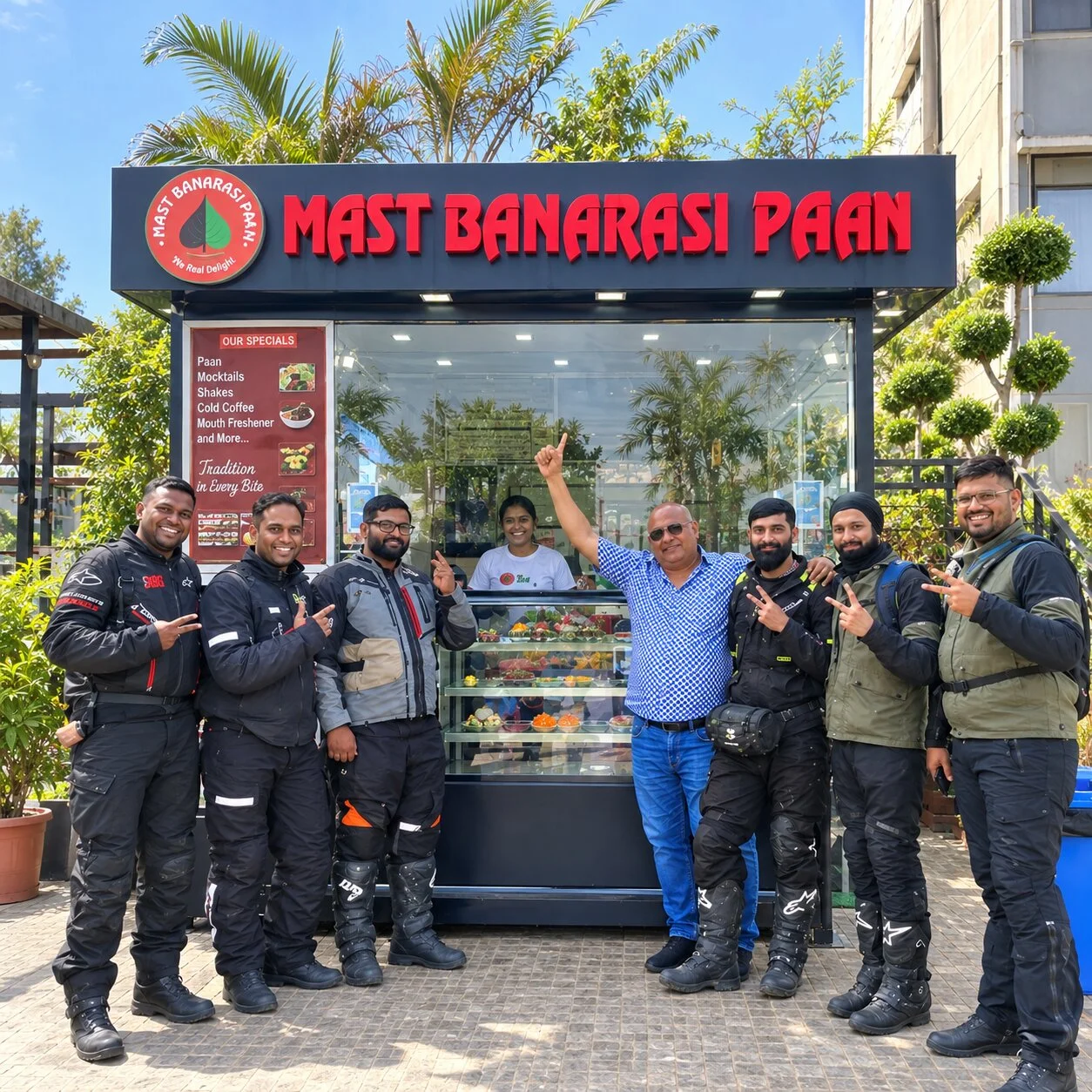
A kiosk is a compact format that can work in locations such as malls, hotels, restaurants, petrol pumps, and commercial areas. A café format offers a more developed customer experience, while a premium café is designed for locations where ambience and presentation are important.
Mast Banarasi Paan offers different outlet formats to help entrepreneurs explore the business according to their requirements. Its kiosk model requires approximately 90–100 sq. ft. of space and currently carries a published investment of ₹7–8 lakh. The package includes the franchise fee and essential setup requirements, according to the brand's official page.
One of the first questions entrepreneurs ask is about the total paan franchise cost. The answer depends on the selected format, location, outlet size, and the inclusions in the franchise package.
For its kiosk format, Mast Banarasi Paan currently publishes an investment range of ₹7–8 lakh. This makes it important to evaluate the complete setup requirement before choosing a location or making a financial commitment.
Apart from the franchise package, entrepreneurs should also understand expenses such as rent, staff salaries, electricity, local permissions, working capital, and other operating costs. The actual amount required can vary depending on the property and business requirements.
The story of Mast Banarasi Paan also demonstrates how a small beginning can develop into a larger business. Its founder, P.N. Thakur, reportedly started the business with an initial capital of ₹2 lakh. However, this is the founder's historical starting investment, not the current cost of purchasing a franchise.
Why Choose Mast Banarasi Paan?
Mast Banarasi Paan was established in 2012 with the vision of bringing traditional paan culture into a modern, hygienic, and café-style environment. The brand combines Banarasi-inspired flavours with tobacco-free varieties and a family-oriented customer experience.
For entrepreneurs, the value of an established brand goes beyond its name. Site selection guidance, outlet setup, staff training, branding, marketing assistance, and post-launch support can help simplify the process of starting operations.
The brand's paan franchise model is designed to provide support across these areas, allowing partners to focus on managing their outlets and serving customers. Before investing, entrepreneurs should review the franchise agreement and confirm the exact support, fees, and responsibilities included.
Choosing the Right Opportunity for Long-Term Growth
A successful outlet depends on more than the initial investment. Location, customer demand, product quality, pricing, operating expenses, and daily management all influence business performance.
When comparing a paan franchise in India, entrepreneurs should look at the complete business structure instead of selecting an opportunity only because it appears affordable. A compact kiosk may suit a high-footfall location, while a café may be better for an area where customers prefer a more comfortable experience.
Mast Banarasi Paan provides a kiosk option for entrepreneurs interested in a compact setup. Those considering this opportunity can explore the official Kiosk Franchise Model to understand the current requirements and contact the brand for updated commercial details.
Frequently Asked Questions
1. How much does it cost to open a paan franchise?
The investment depends on the brand and outlet format. Mast Banarasi Paan currently lists its kiosk investment at ₹7–8 lakh, with a space requirement of approximately 90–100 sq. ft.
2. What is the profit margin of a paan shop?
Profit margins vary according to product pricing, ingredient costs, rent, staff expenses, sales volume, and location. Entrepreneurs should calculate their expected operating costs before estimating profitability. There is no fixed margin that applies to every paan shop.
3. How much profit is in a pan shop?
The monthly profit depends on daily sales and total expenses. A shop with strong customer footfall and controlled operating costs may perform better, but actual earnings should be calculated using realistic local sales estimates.
4. Can I open a Mast Banarasi Paan franchise with ₹2 lakh?
₹2 lakh was the reported initial capital used by founder P.N. Thakur when starting the business. It is not the current published franchise investment. The official kiosk model currently lists an investment of ₹7–8 lakh.
5. Which is the best paan franchise model?
The best paan franchise model depends on your budget, location, available space, and business goals. A kiosk can suit compact, high-footfall locations, while café formats may be more appropriate for customers seeking a broader experience.
6. Which paan franchise in India offers a kiosk model?
Mast Banarasi Paan offers a kiosk franchise format requiring approximately 90–100 sq. ft. of space. Its official website provides the current investment details and franchise enquiry information.
Start Small, Build With a Clear Business Plan
The traditional paan business is evolving, creating opportunities for entrepreneurs who understand changing customer preferences and the importance of organised retail. The right investment decision begins with understanding the complete setup cost, selecting a suitable outlet format, and evaluating the support provided by the brand.
With its compact kiosk option and established café-style concept, Mast Banarasi Paan offers entrepreneurs a way to explore this changing market. The next step is to assess your location, review the franchise requirements, and build a business plan based on realistic costs and customer demand.
The paan industry in India is no longer limited to small, unorganised shops. It has evolved into a structured business category supported by branding, hygiene standards, and repeat customer demand. This evolution has opened a serious opportunity for entrepreneurs who want a culturally strong business with predictable cash flow and long-term sustainability.<br><br> Today, investors are not just looking for a product that sells, but for a system that works across cities, demographics, and time. That is exactly where organised paan brands are changing the market.<br><br>
Read More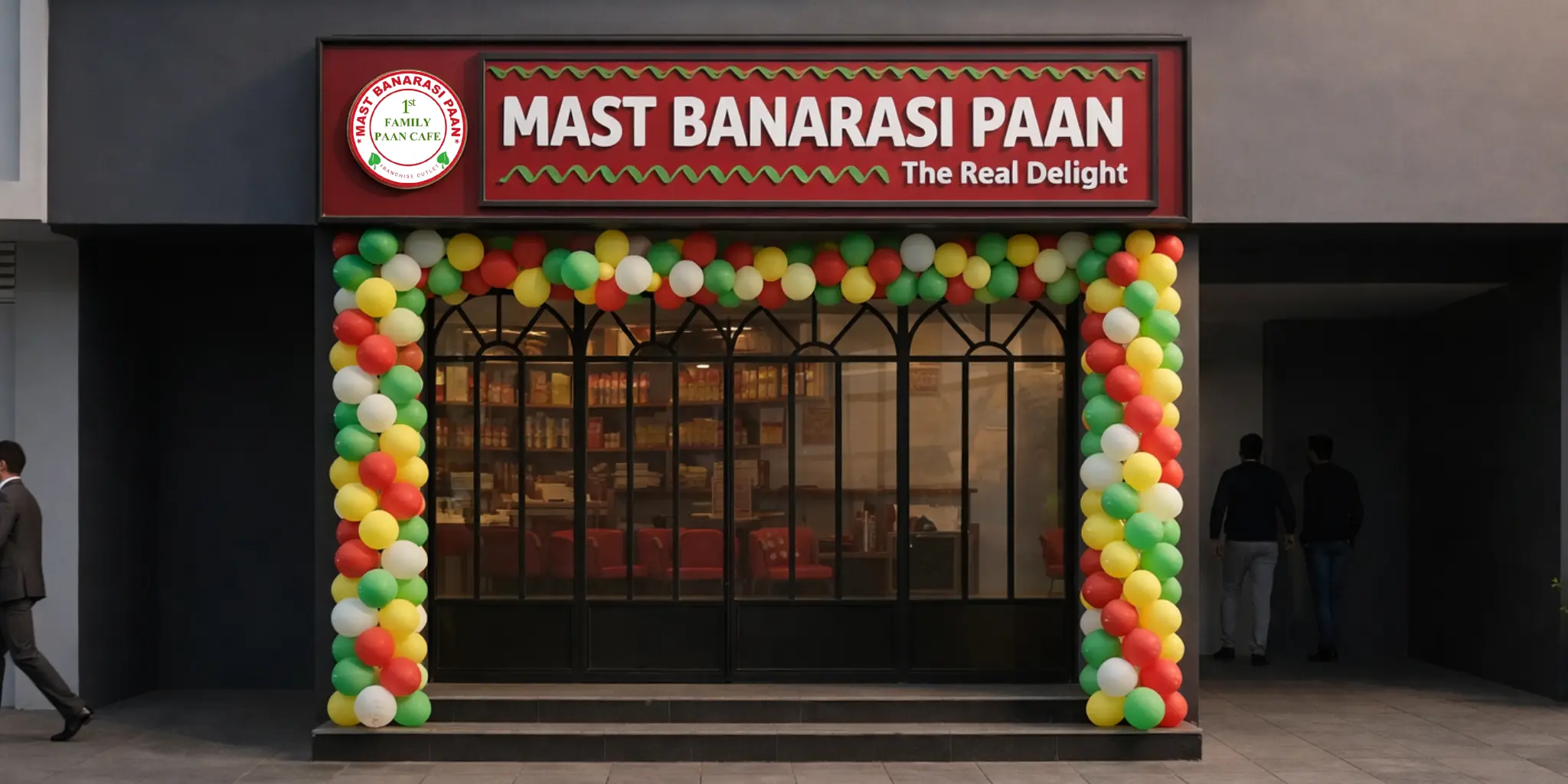
For decades, paan in India was seen as a small counter business - local, informal, and dependent on individual skill. But over the last few years, something important has changed. Consumers started demanding hygiene, consistency, and branded experiences. At the same time, investors began looking for food businesses that offer steady daily demand instead of trend-based spikes. <br><br> This is where the paan category quietly turned into a serious retail opportunity. Not as a gimmick. Not as a seasonal trend. But as a habit-driven business with predictable customer behaviour.
Read More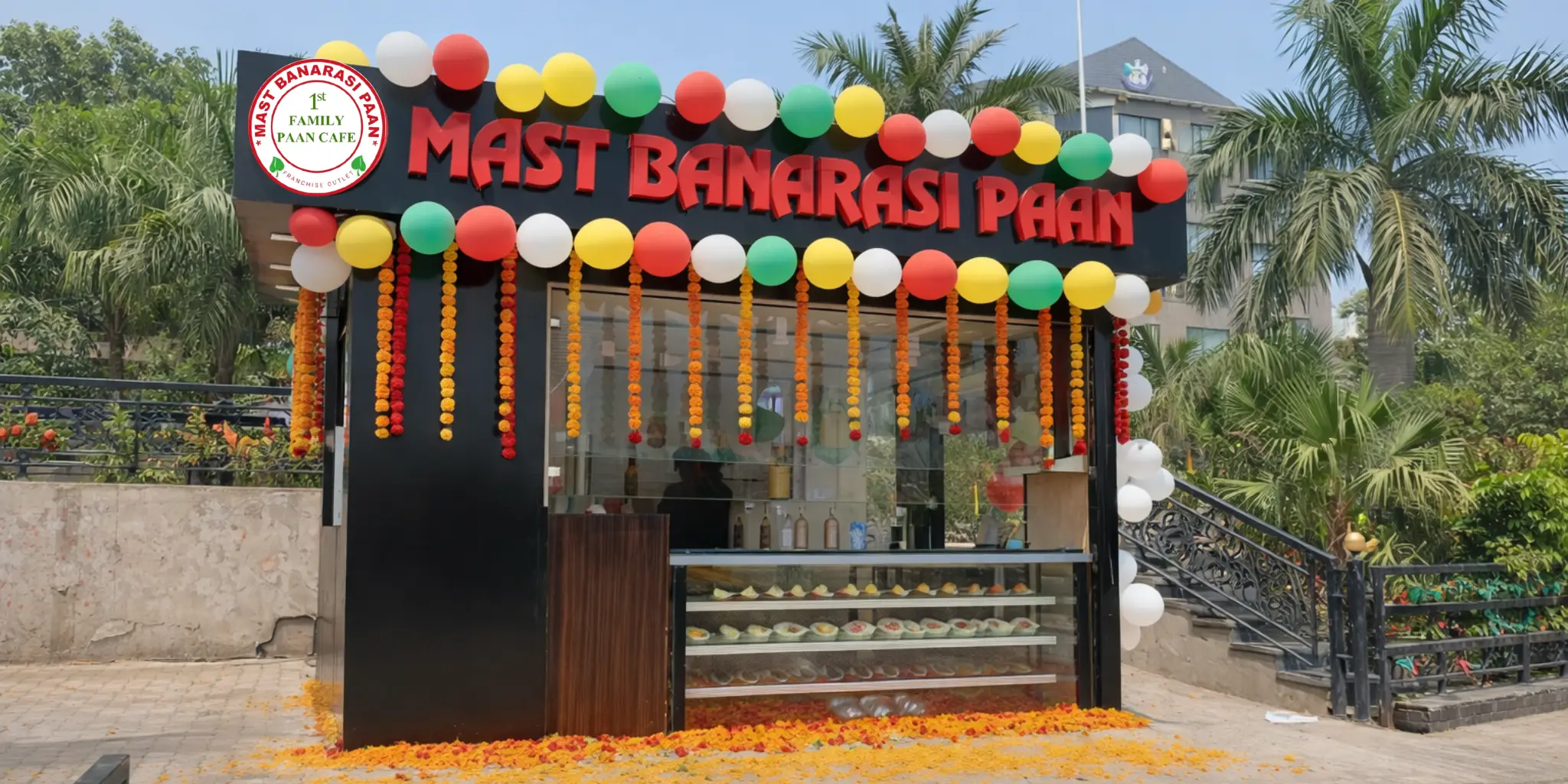
For generations, paan has been part of Indian lifestyle after meals, during celebrations, or as a daily refreshment. What used to be a small local trade is now turning into a structured retail opportunity. Urban customers want hygiene, presentation, and brand reliability, not just taste. This shift has created space for organised paan brands that combine tradition with modern retail systems. Instead of depending on one person’s skill, successful outlets now operate with training, supply chains, and standard preparation methods. Investors are noticing this transformation because it connects cultural demand with repeat customers. A product people already consume daily is easier to scale than a product that needs heavy marketing to create demand.
Read More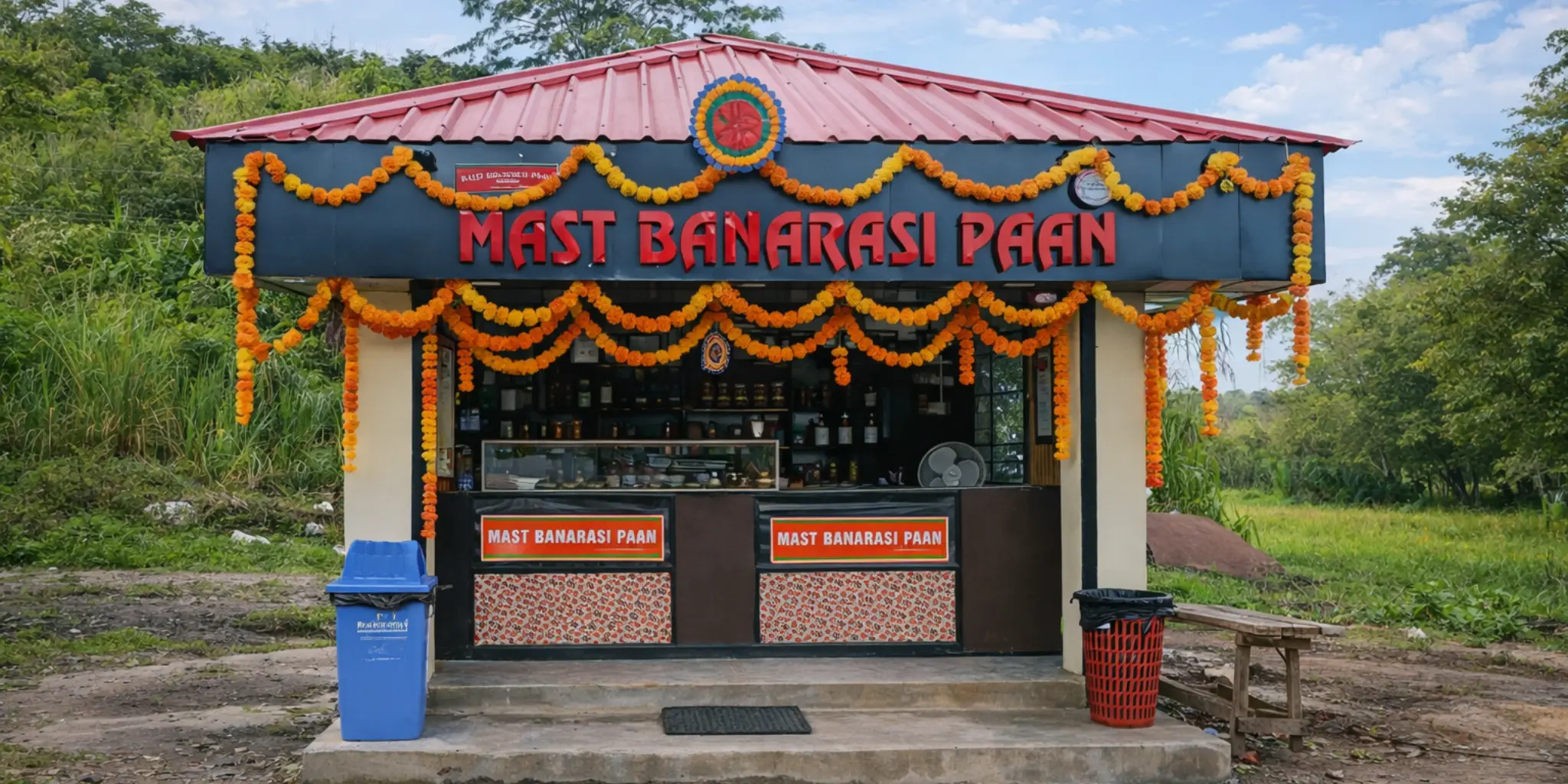
Starting a business today is very different from what it was a decade ago. Earlier, people had to experiment, make mistakes, and spend years figuring out what worked. Today, many entrepreneurs prefer something smarter a structured model where systems, branding, and customer demand already exist. This shift is one of the main reasons people are actively exploring franchise opportunities in India. Instead of building everything from scratch, entrepreneurs can start with a proven concept that already understands operations, sourcing, and customer expectations. <br><br> But the real question isn’t whether franchising works. The real question is which industries actually sustain long-term demand.<br><br>
Read More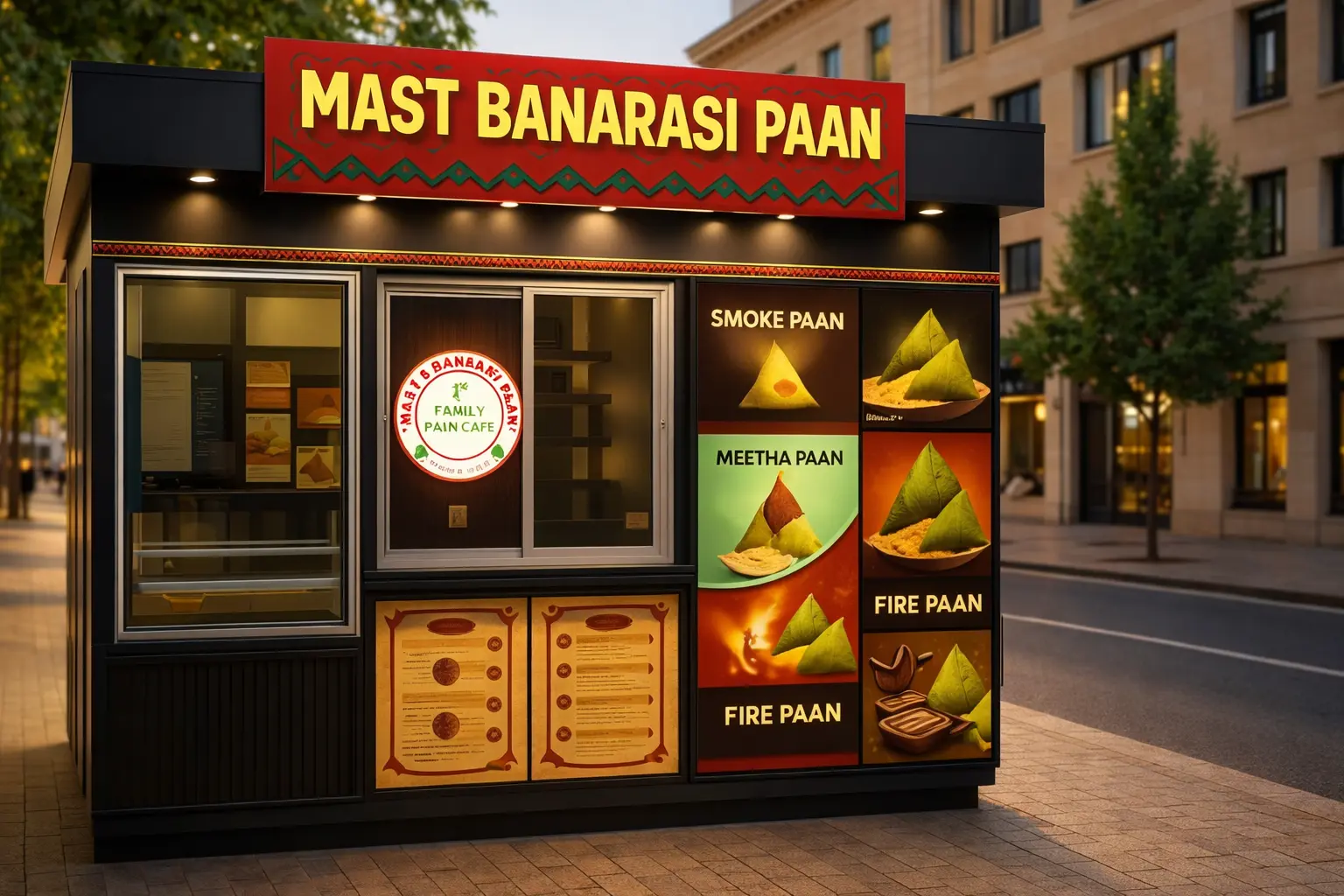
The Indian food and retail landscape is evolving rapidly. Consumers today expect more than just taste - they look for hygiene, presentation, and consistency. Traditional businesses that adapt to these expectations are the ones that grow. Paan, deeply rooted in Indian culture, is now entering a new phase. What was once a simple after-meal refreshment is now being reimagined as a structured retail concept that fits modern urban environments.
Read More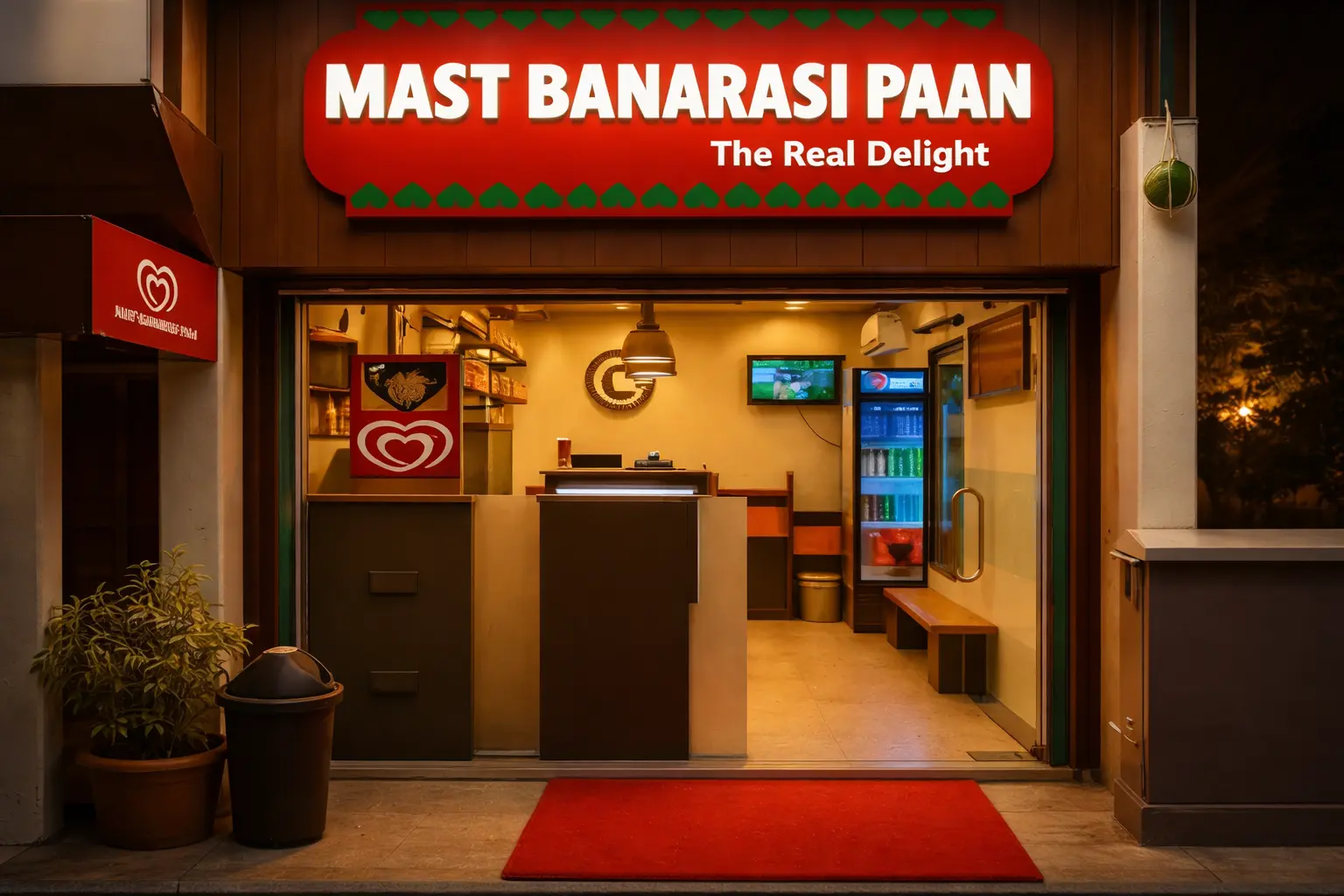
In India, some products do not need marketing to survive - they already exist in people’s daily habits. Paan is one of them. It is consumed after meals, during travel, at social gatherings, and across generations. What is changing today is not the product, but the way it is delivered. Clean environments, consistent taste, and structured retail formats are replacing informal setups. This shift is turning a traditional activity into a more reliable and scalable opportunity. For many entrepreneurs, a paan business is no longer seen as a small roadside shop. It is now being viewed as a retail model that can grow with proper systems and brand support.
Read More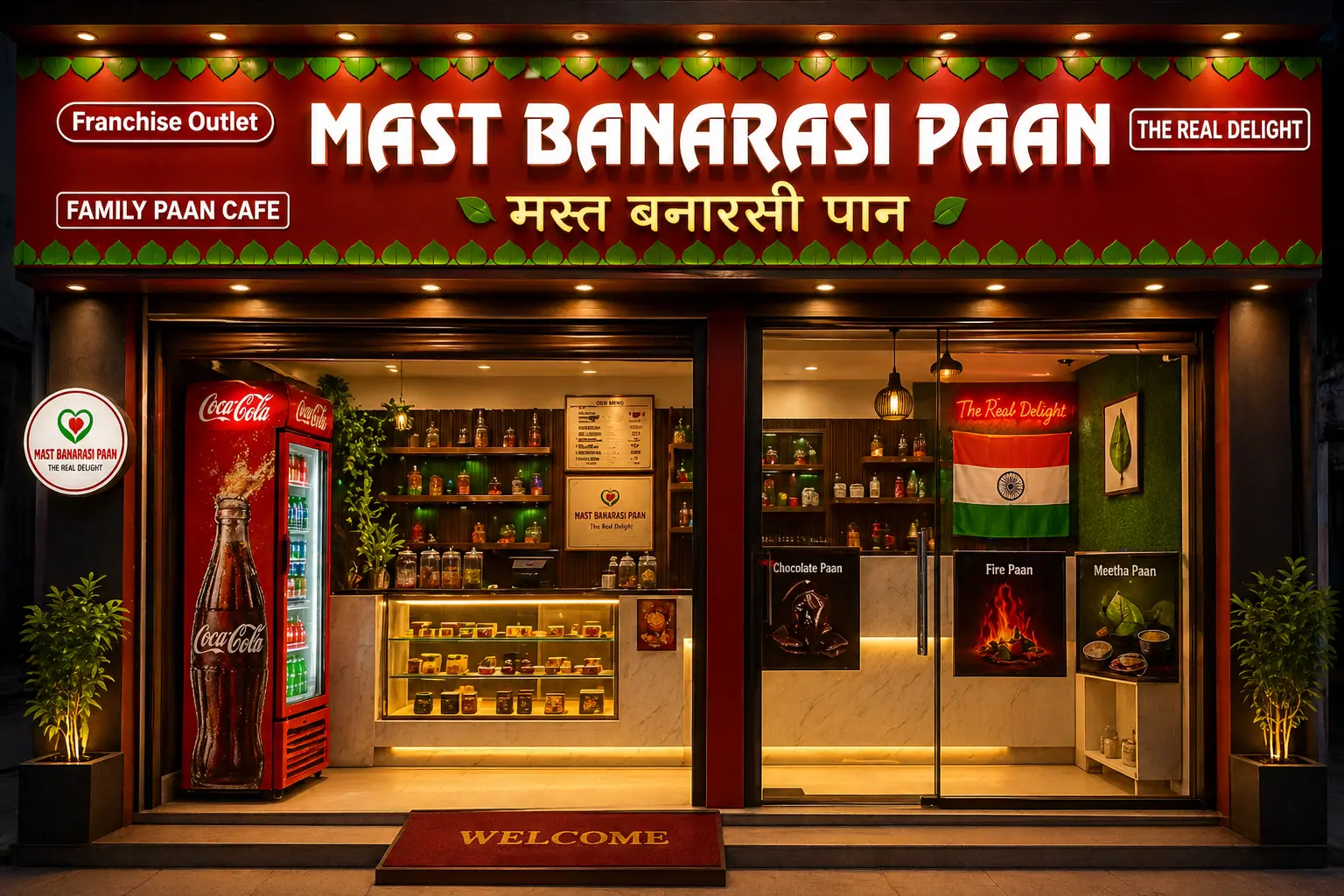
In recent years, paan has moved beyond a simple after-meal refreshment. It is now becoming part of curated experiences at events, gatherings, and premium retail spaces. Customers today look for presentation, hygiene, and variety - not just taste. This shift has led to the rise of organised formats where paan is served as an experience rather than a quick purchase. A professionally designed paan counter creates both visual appeal and trust, making it suitable for modern consumers and high-end events.
Read More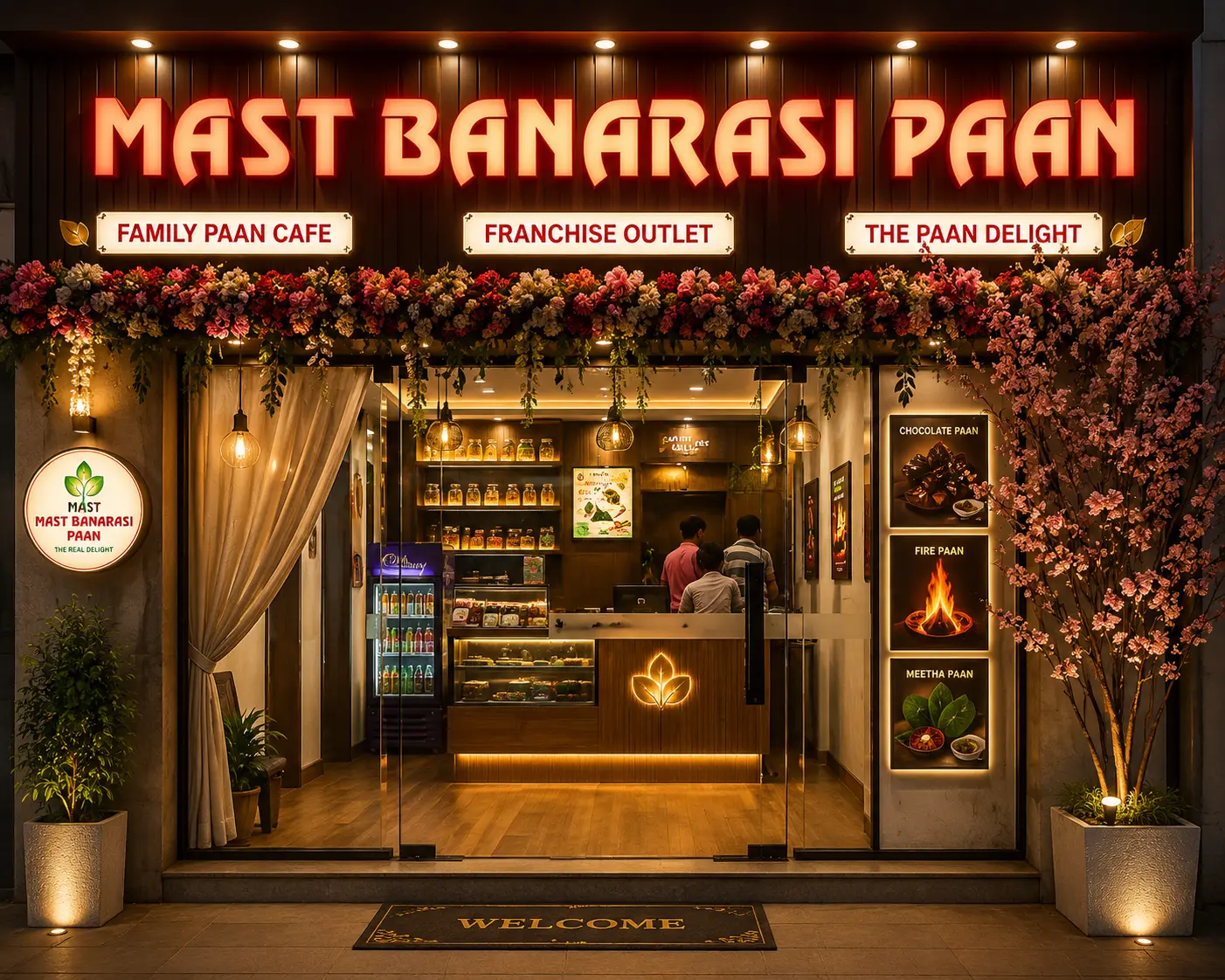
Starting a business from scratch can take years of trial and error. That is why many entrepreneurs today prefer established franchise models where branding, systems, and customer trust already exist. The right franchise not only reduces risk but also creates a faster path toward profitability and expansion.
Read More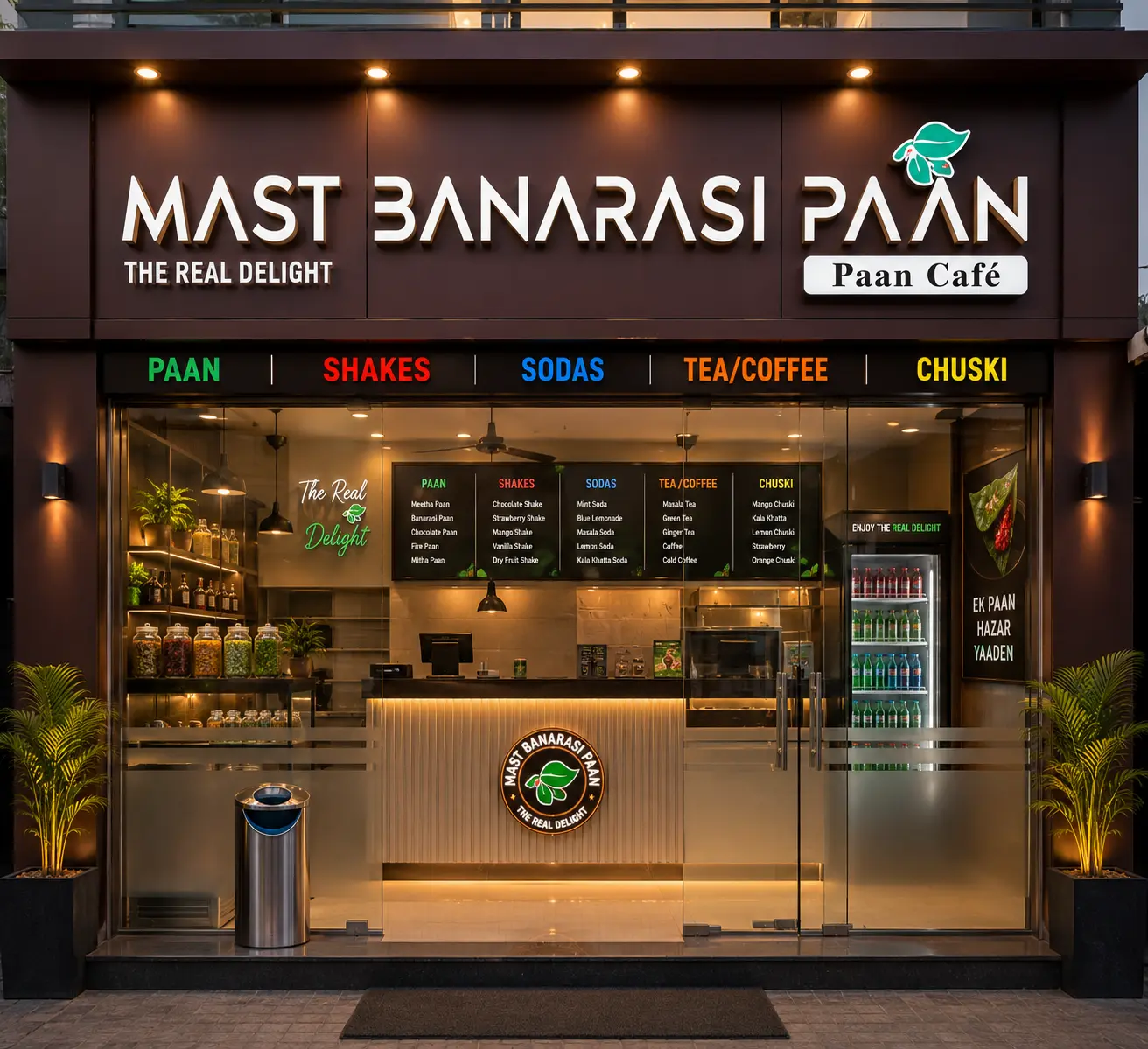
For generations, paan has been an important part of Indian culture. It is served after meals, enjoyed during celebrations, and often associated with hospitality and tradition. However, the way consumers experience paan today is very different from what it was a decade ago. Modern customers are no longer looking for just a paan shop. They want quality, hygiene, consistency, and unique flavours that create a memorable experience. This shift has given rise to organised brands that are transforming a traditional product into a modern retail category. As customer expectations continue to evolve, choosing the right paan brand in india has become about much more than taste alone. People now evaluate brands based on flavour variety, presentation, ingredient quality, and overall experience.
Read More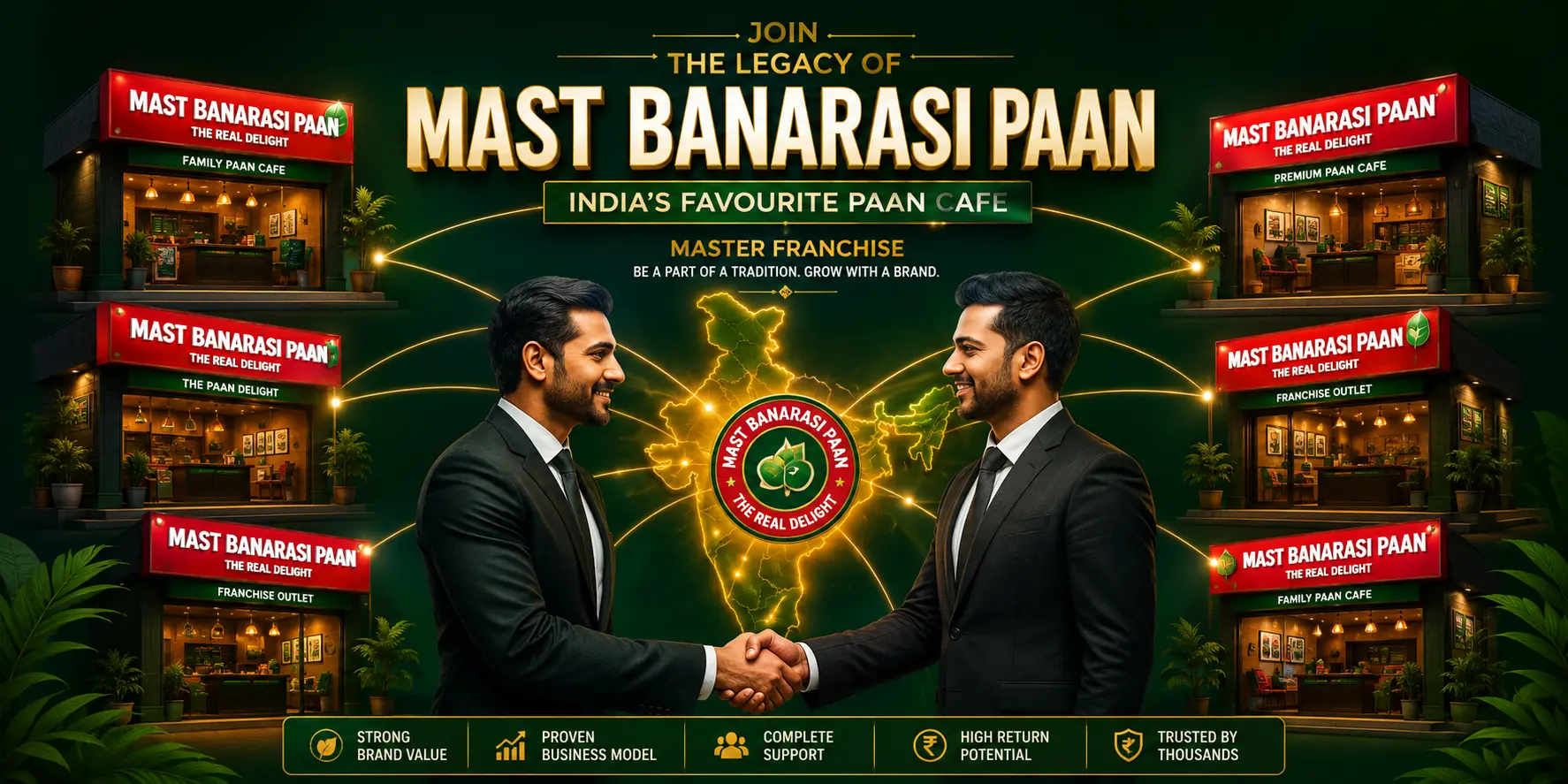
The biggest difference between owning one successful outlet and building a regional business is scale. A single store can create income, but a well-planned territory can create a much larger business network. This is why experienced entrepreneurs are increasingly studying master franchise opportunities before choosing their next investment. A master franchise model can give an investor rights to develop a particular territory, support unit franchisees, and participate in the growth of the brand within that market. It is not simply about opening another shop; it is about becoming a local growth partner for an established brand. For entrepreneurs who already understand sales, operations, local markets, or food retail, this can offer a practical route toward building a regional business.
Read More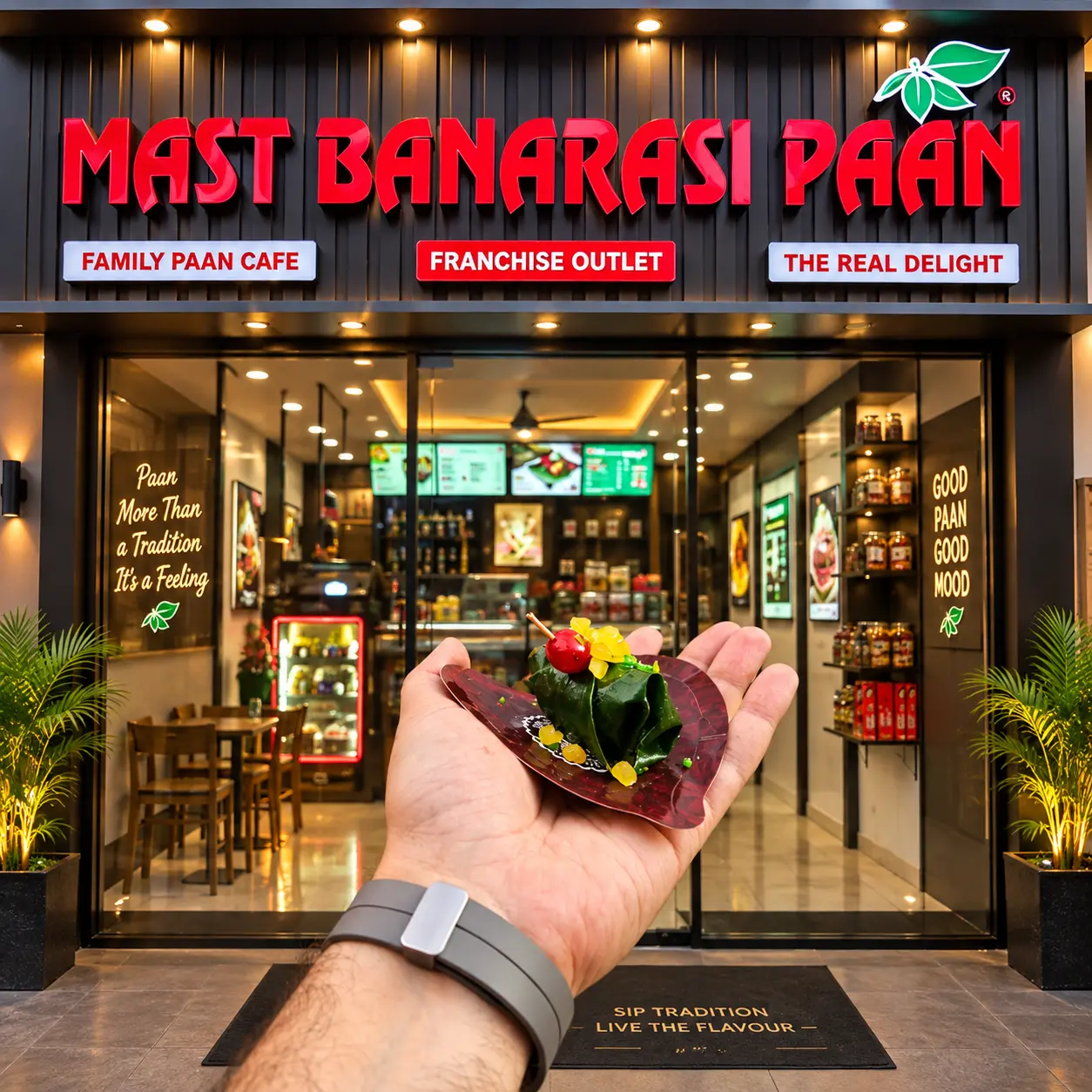
Paan is no longer limited to traditional roadside shops. Today, customers are looking for better hygiene, attractive presentation, unique flavours, and a comfortable experience. This change has created a new opportunity for organised paan brands and entrepreneurs looking to enter the food and beverage market. Among the growing options, best Banarasi paan franchise in India is a search that reflects the increasing interest in combining authentic paan culture with a modern business format.
Read More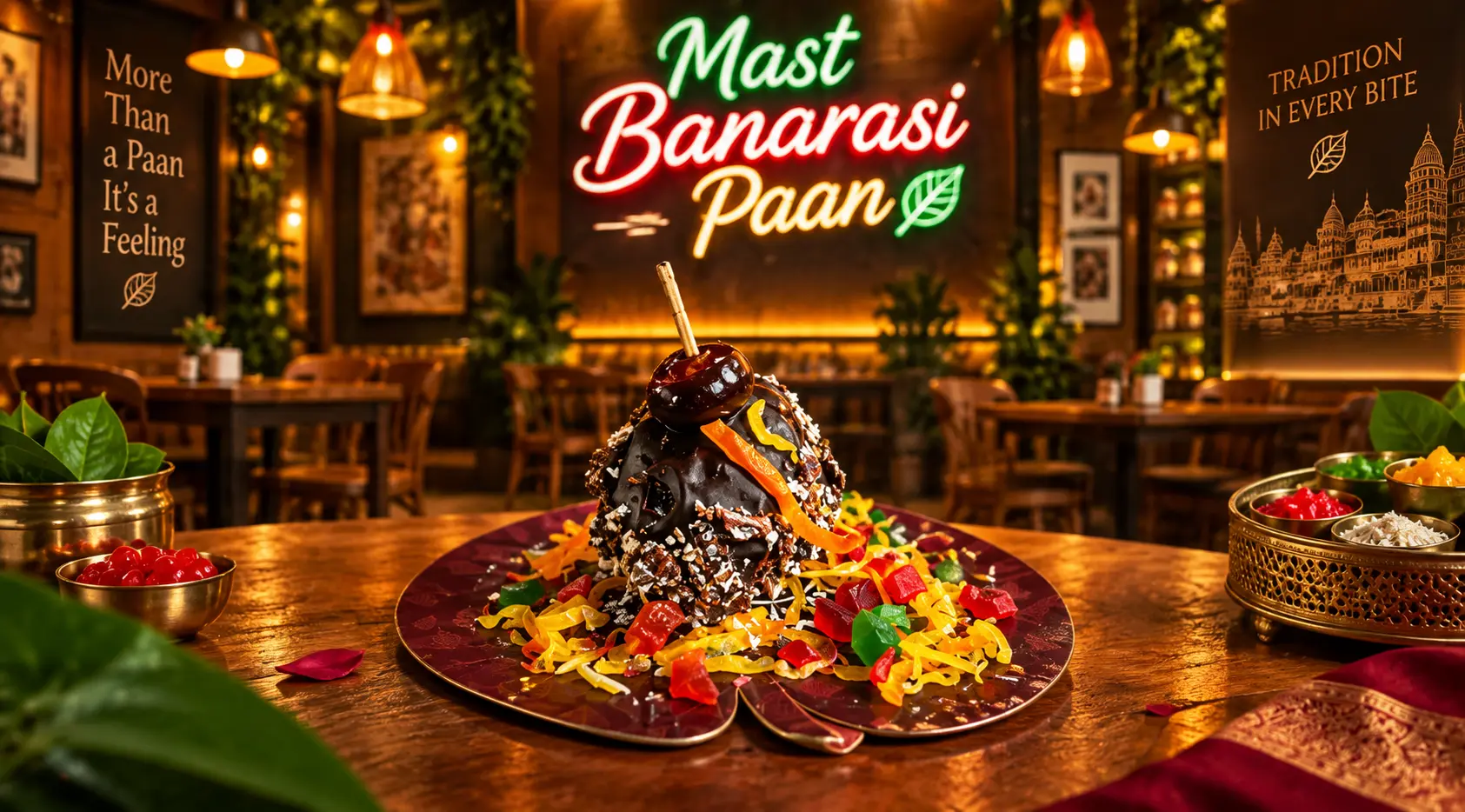
Paan has been part of Indian culture for generations. From weddings and celebrations to everyday after-meal traditions, it continues to hold a special place in Indian life. But the way people enjoy paan is changing. Today, customers are looking for better hygiene, consistent taste, attractive presentation, and new flavours along with traditional recipes. This change has created a growing space for organised paan businesses that combine heritage with a modern customer experience. For anyone searching for a paan brand in india, the important factors are no longer limited to taste. Quality, authenticity, consistency, presentation, and customer experience all matter.
Read More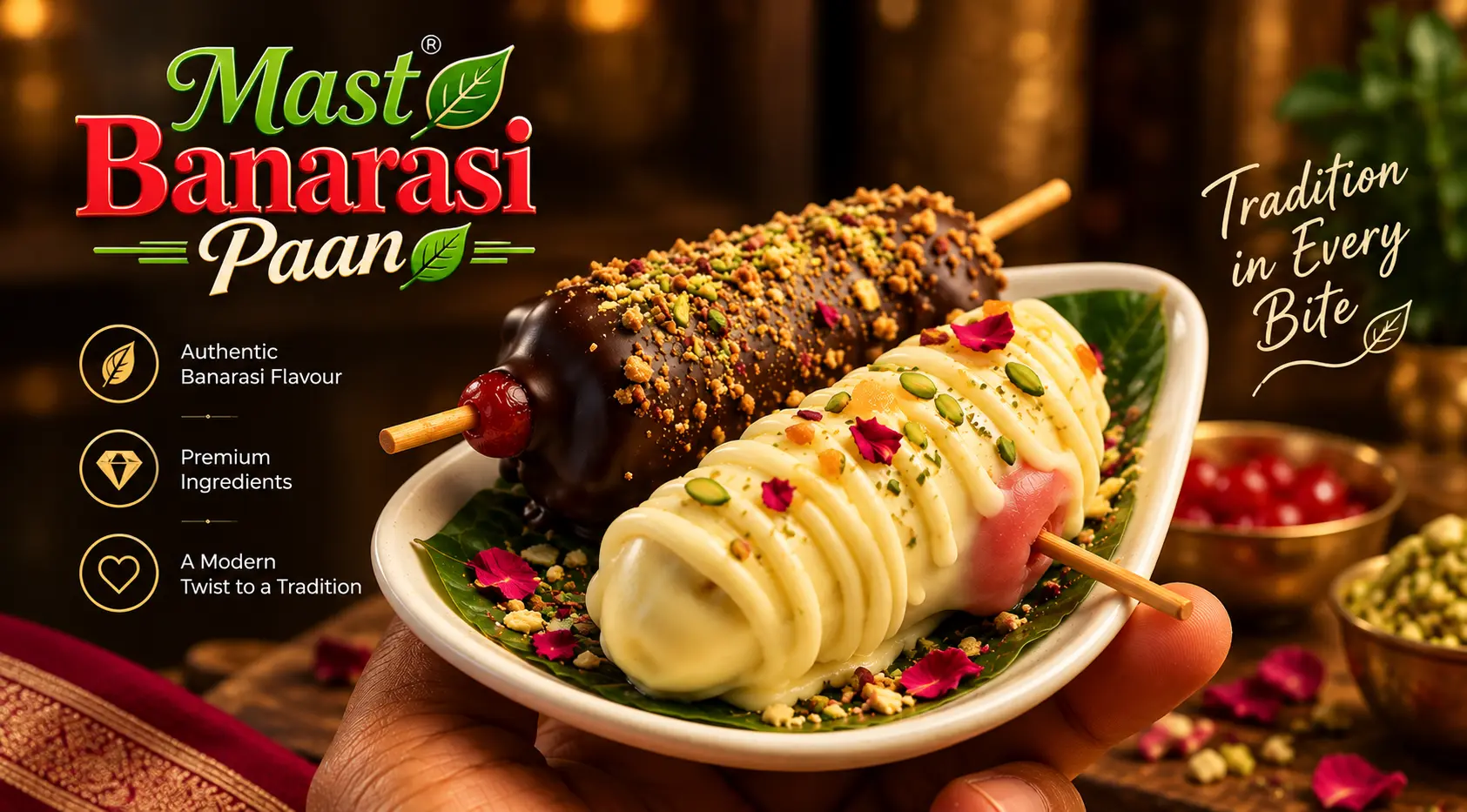
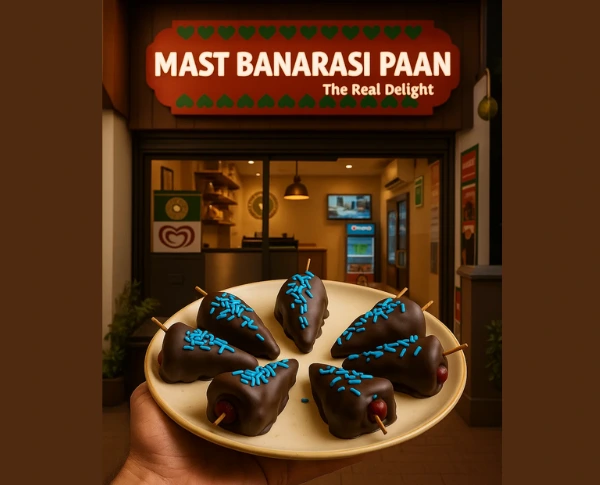
What happens when traditional paan meets chocolate, creamy shakes, refreshing mocktails, and Instagram-worthy food experiences? Something that was once considered a simple after-meal treat becomes an exciting way for customers to explore new flavours and share their experiences online. Social media has changed how people discover food. A visually appealing chocolate paan or an unusual flavour combination can spark curiosity, encourage people to visit an outlet, and introduce traditional paan to a younger audience. For entrepreneurs, this shift creates an opportunity to combine India's paan culture with a modern food business concept.
Read More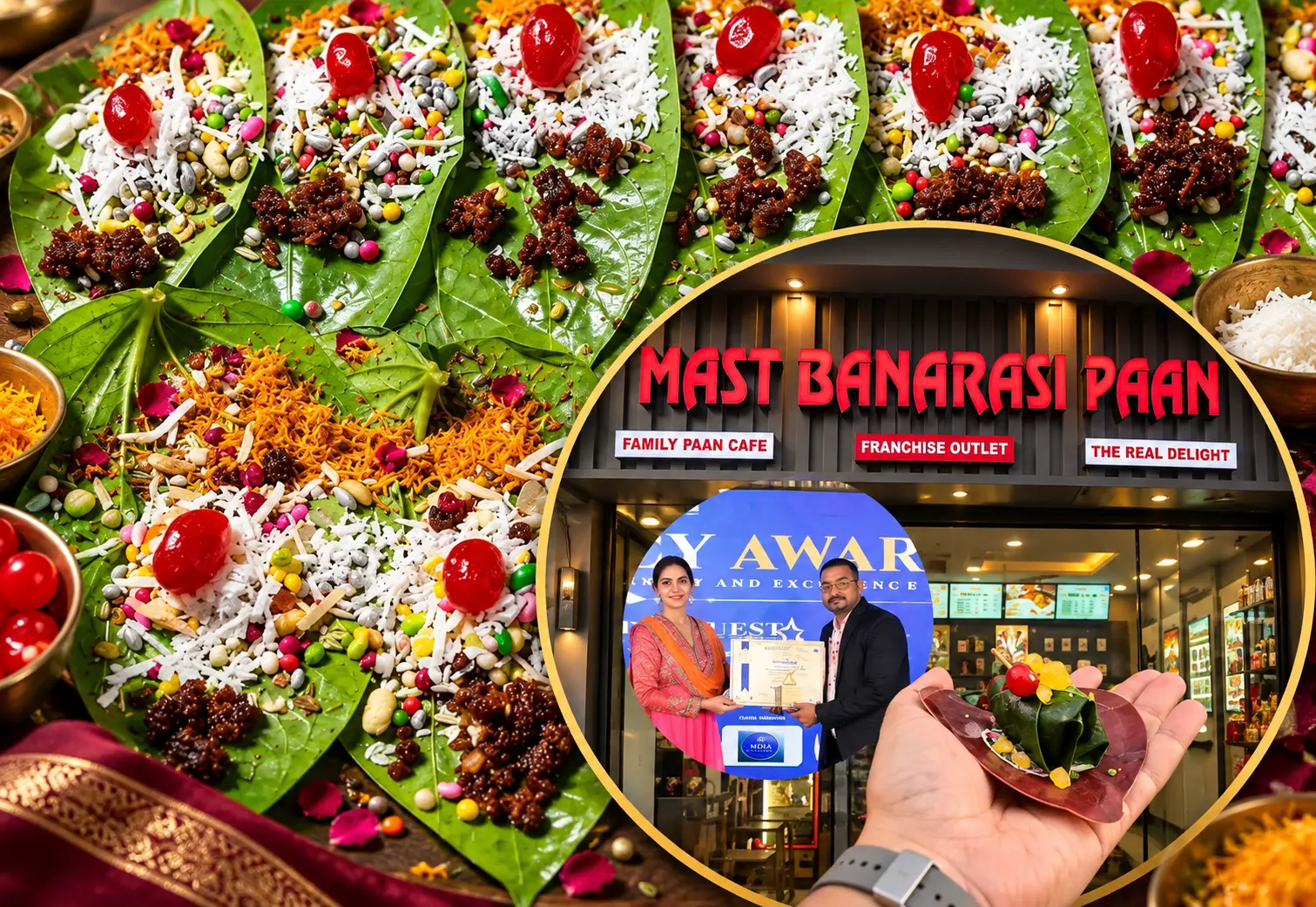
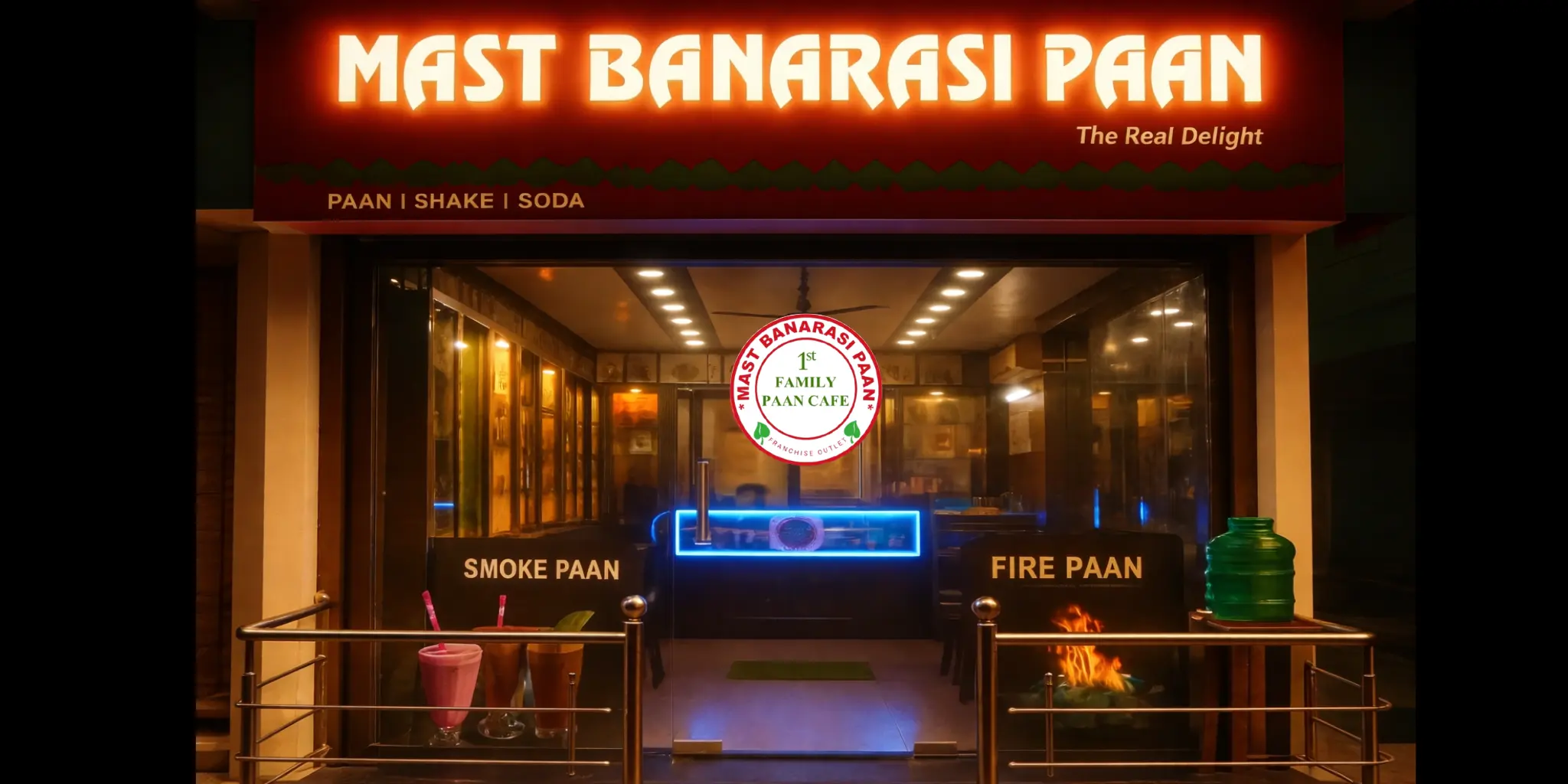
What makes someone choose one paan outlet over another? Sometimes it is the taste they remember. Sometimes it is the way the product is presented, the cleanliness of the counter, or simply the comfort of knowing what to expect. For generations, local paan shops have been an important part of India's food culture. But customer expectations are evolving. People increasingly notice the overall experience, from product variety and presentation to service and hygiene. This shift is creating space for a premium paan cafe in India that offers the familiarity of traditional paan in a more organised setting.
Read More
What if a traditional Indian business could become a modern retail opportunity? Paan has been part of Indian culture for generations, but the way customers experience it is changing. From traditional Banarasi flavours to chocolate paan and modern café-style outlets, the industry is finding new ways to attract customers. For aspiring entrepreneurs, this change creates an opportunity to enter an established product category with a more organised business approach. However, before investing, it is important to understand the setup cost, available formats, location requirements, and support offered by the brand.
Read More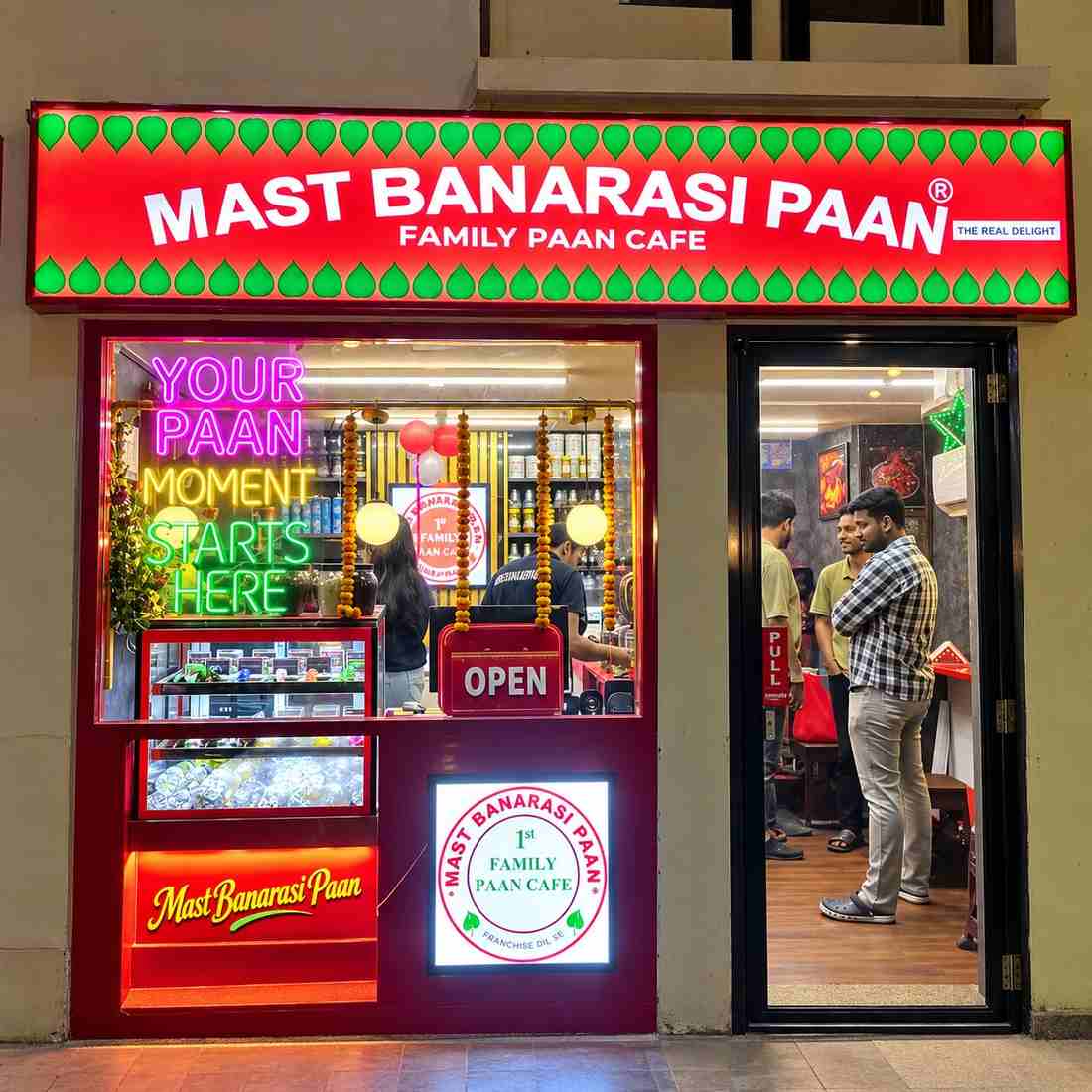
In India, some food experiences are remembered not just for their taste but for the moments connected to them. A familiar sweet, a family recipe, or a special treat shared after a meal can bring back memories of celebrations, conversations, and time spent together. Banarasi paan is one such experience. Known for its distinctive flavours and cultural roots, paan has remained part of India's food identity for generations. But its place in modern life is changing. Today, people are exploring new flavours, creative presentations, and organised paan cafés while still enjoying the traditional taste they grew up with.
Read More