For decades, paan in India was seen as a small counter business - local, informal, and dependent on individual skill. But over the last few years, something important has changed. Consumers started demanding hygiene, consistency, and branded experiences. At the same time, investors began looking for food businesses that offer steady daily demand instead of trend-based spikes.
This is where the paan category quietly turned into a serious retail opportunity. Not as a gimmick. Not as a seasonal trend. But as a habit-driven business with predictable customer behavior.
For anyone exploring a paan shop franchise, the real opportunity lies in this shift from unorganized roadside setups to structured, brand-led retail formats that can scale across cities.
Earlier, the success of a paan outlet depended on one person’s experience. Taste could vary. Hygiene was uncertain. Supply chains were inconsistent. Scaling such a business beyond one shop was difficult.
Organised paan brands solved this by introducing standard recipes, controlled sourcing, staff training, and clean store environments. This changed customer perception. Paan became not just a product, but an experience that people could trust.
Once trust enters food retail, repeat behaviour follows. And repeat behaviour is what builds stable daily revenue. That is the foundation of this entire business model.
Why Mast Banarasi Paan Is Built Differently
Mast Banarasi Paan is not positioned as just another paan seller. The brand has built its system around three realities of modern food retail: consistency, cleanliness, and scalability.
Inspired by authentic Banaras flavours, the brand focuses on tobacco-free indulgence, premium ingredients, and structured preparation processes. Every outlet follows the same sourcing standards and preparation methods, which removes the biggest risk in food franchising inconsistency.
For franchise partners, this means they are not relying on personal craftsmanship. They are running a system that has already defined taste, presentation, and operations.
Brand details, store formats, and partnership structure can be explored at: www.mastbanarasipaan.com/
This structured backend is what separates a sustainable business from a short-lived food trend.
Understanding Why Customers Return Daily
Most food businesses fight for occasional visits. Paan does not. It is already part of daily behaviour for a large customer base. After meals. During travel. At social gatherings. At celebrations. Sometimes simply out of habit.
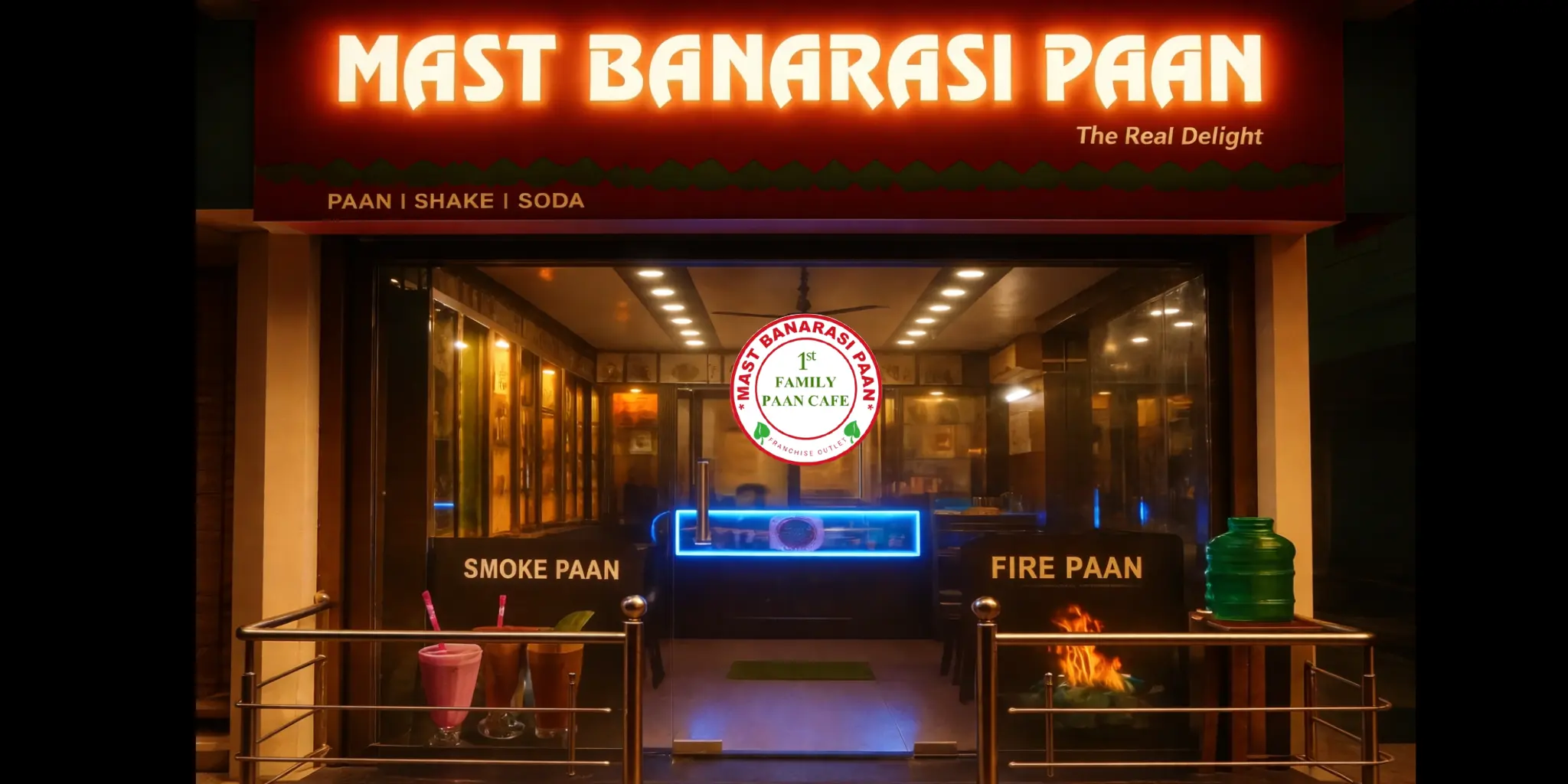
The paan industry in India is no longer limited to small, unorganised shops. It has evolved into a structured business category supported by branding, hygiene standards, and repeat customer demand. This evolution has opened a serious opportunity for entrepreneurs who want a culturally strong business with predictable cash flow and long-term sustainability.<br><br> Today, investors are not just looking for a product that sells, but for a system that works across cities, demographics, and time. That is exactly where organised paan brands are changing the market.<br><br>
Read More
For decades, paan in India was seen as a small counter business - local, informal, and dependent on individual skill. But over the last few years, something important has changed. Consumers started demanding hygiene, consistency, and branded experiences. At the same time, investors began looking for food businesses that offer steady daily demand instead of trend-based spikes. <br><br> This is where the paan category quietly turned into a serious retail opportunity. Not as a gimmick. Not as a seasonal trend. But as a habit-driven business with predictable customer behaviour.
Read More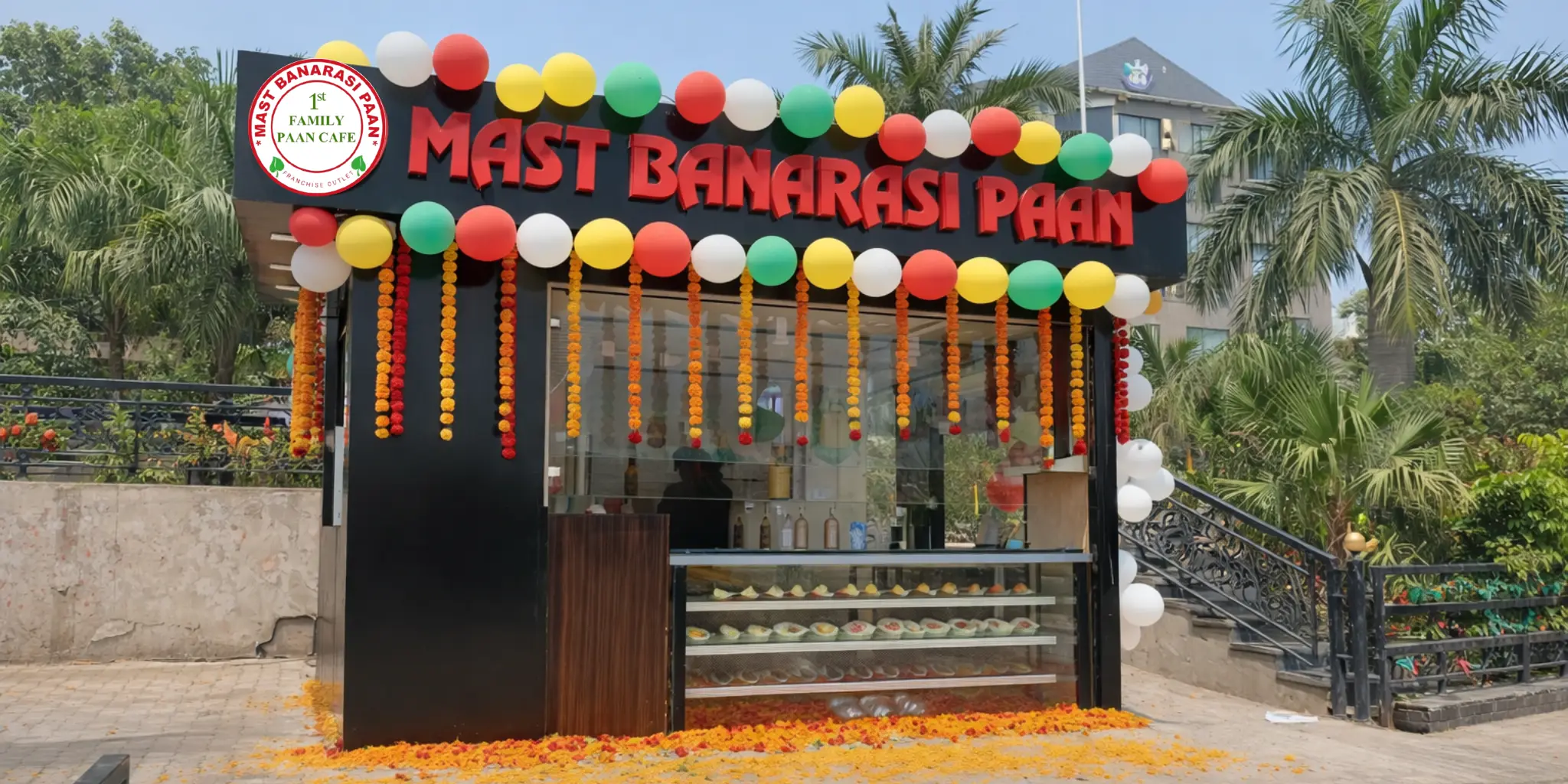
For generations, paan has been part of Indian lifestyle after meals, during celebrations, or as a daily refreshment. What used to be a small local trade is now turning into a structured retail opportunity. Urban customers want hygiene, presentation, and brand reliability, not just taste. This shift has created space for organised paan brands that combine tradition with modern retail systems. Instead of depending on one person’s skill, successful outlets now operate with training, supply chains, and standard preparation methods. Investors are noticing this transformation because it connects cultural demand with repeat customers. A product people already consume daily is easier to scale than a product that needs heavy marketing to create demand.
Read More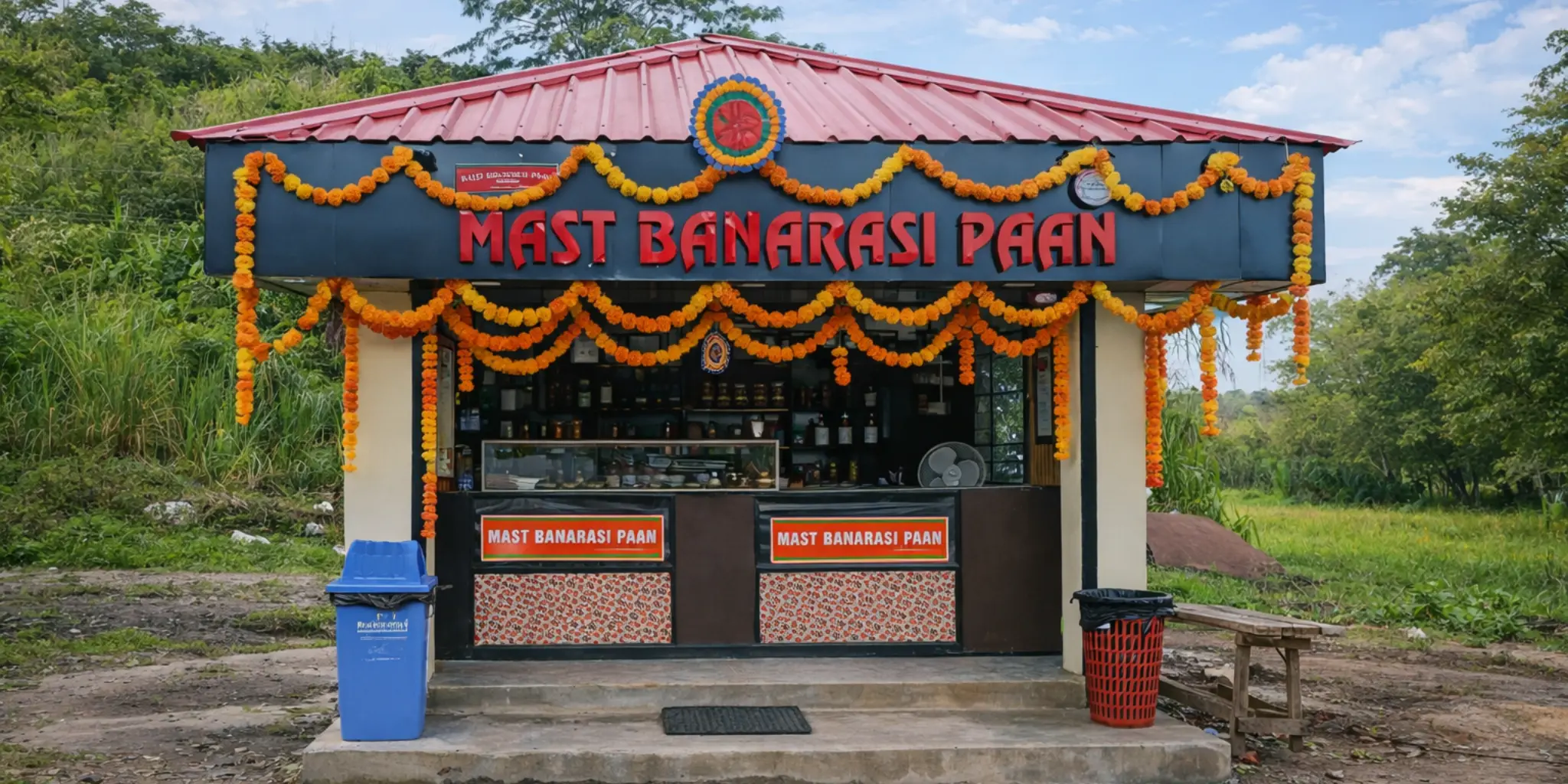
Starting a business today is very different from what it was a decade ago. Earlier, people had to experiment, make mistakes, and spend years figuring out what worked. Today, many entrepreneurs prefer something smarter a structured model where systems, branding, and customer demand already exist. This shift is one of the main reasons people are actively exploring franchise opportunities in India. Instead of building everything from scratch, entrepreneurs can start with a proven concept that already understands operations, sourcing, and customer expectations. <br><br> But the real question isn’t whether franchising works. The real question is which industries actually sustain long-term demand.<br><br>
Read More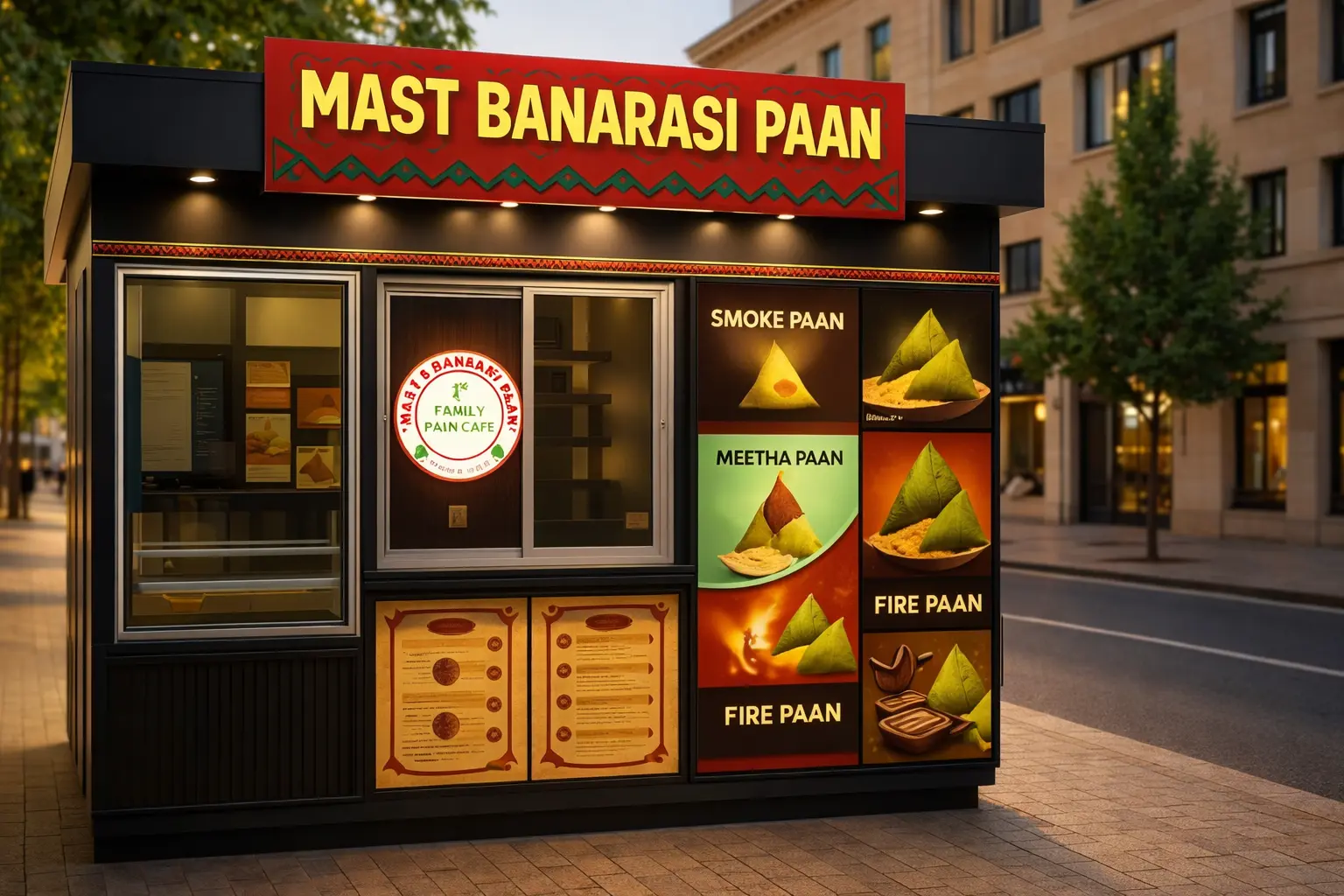
The Indian food and retail landscape is evolving rapidly. Consumers today expect more than just taste - they look for hygiene, presentation, and consistency. Traditional businesses that adapt to these expectations are the ones that grow. Paan, deeply rooted in Indian culture, is now entering a new phase. What was once a simple after-meal refreshment is now being reimagined as a structured retail concept that fits modern urban environments.
Read More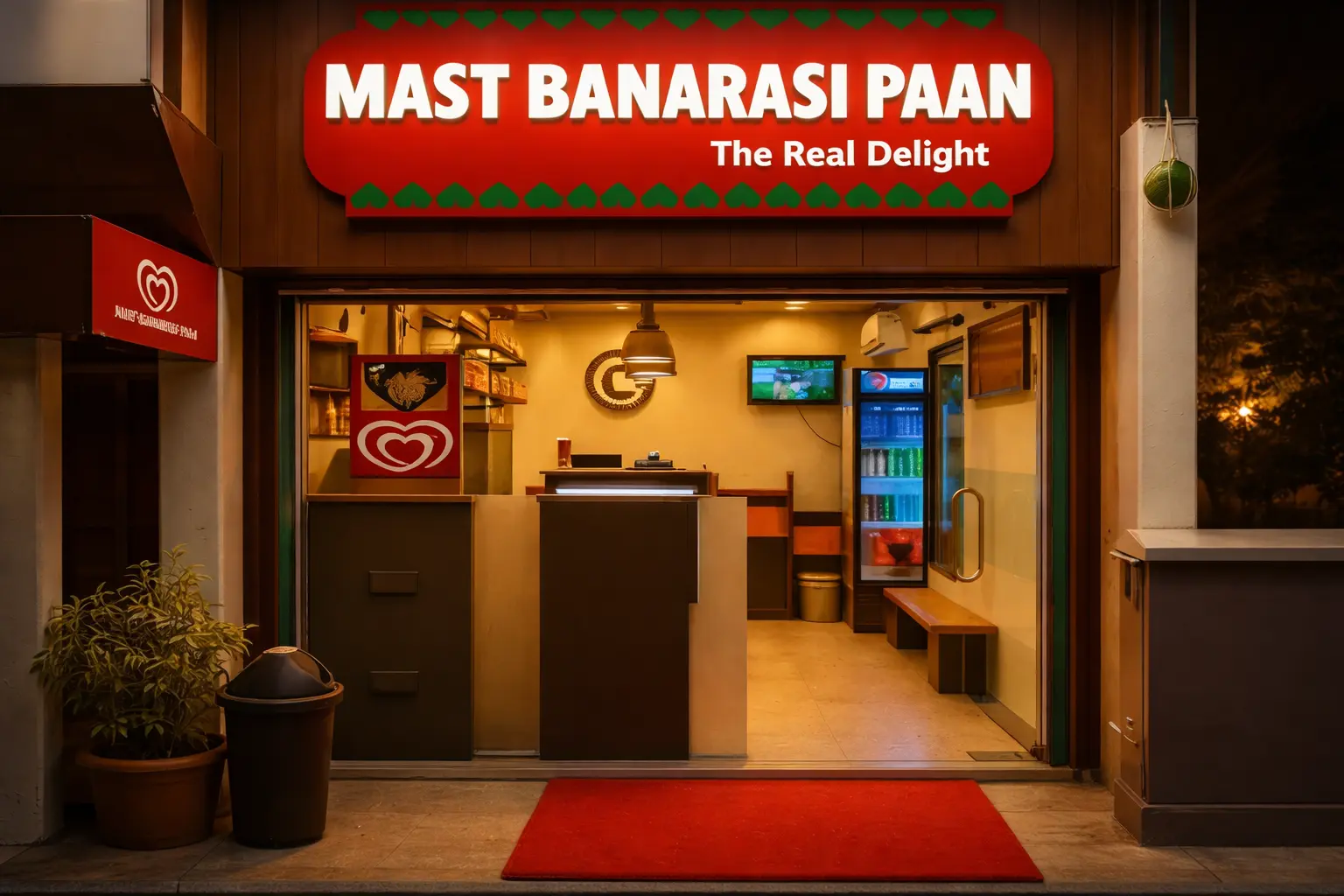
In India, some products do not need marketing to survive - they already exist in people’s daily habits. Paan is one of them. It is consumed after meals, during travel, at social gatherings, and across generations. What is changing today is not the product, but the way it is delivered. Clean environments, consistent taste, and structured retail formats are replacing informal setups. This shift is turning a traditional activity into a more reliable and scalable opportunity. For many entrepreneurs, a paan business is no longer seen as a small roadside shop. It is now being viewed as a retail model that can grow with proper systems and brand support.
Read More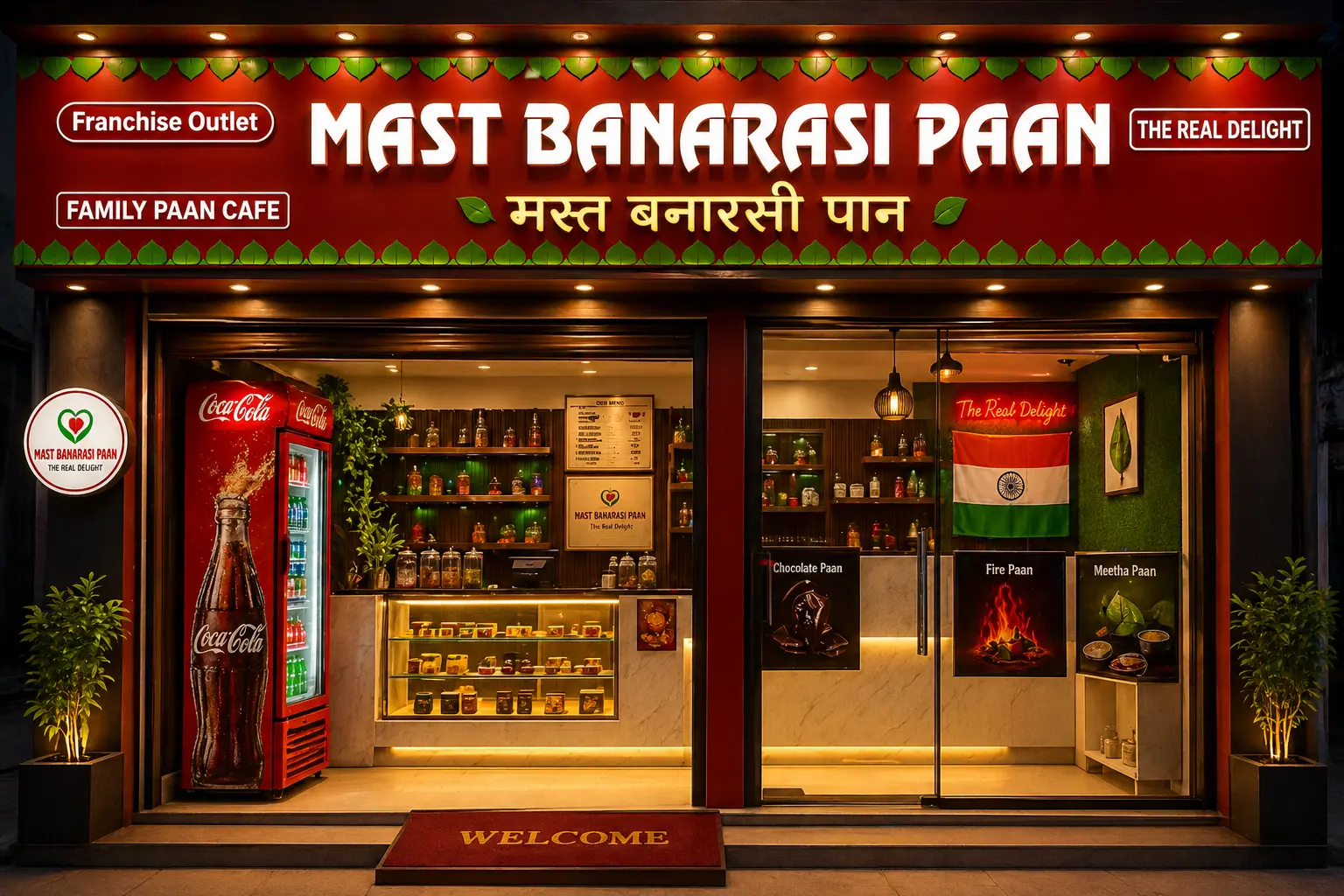
In recent years, paan has moved beyond a simple after-meal refreshment. It is now becoming part of curated experiences at events, gatherings, and premium retail spaces. Customers today look for presentation, hygiene, and variety - not just taste. This shift has led to the rise of organised formats where paan is served as an experience rather than a quick purchase. A professionally designed paan counter creates both visual appeal and trust, making it suitable for modern consumers and high-end events.
Read More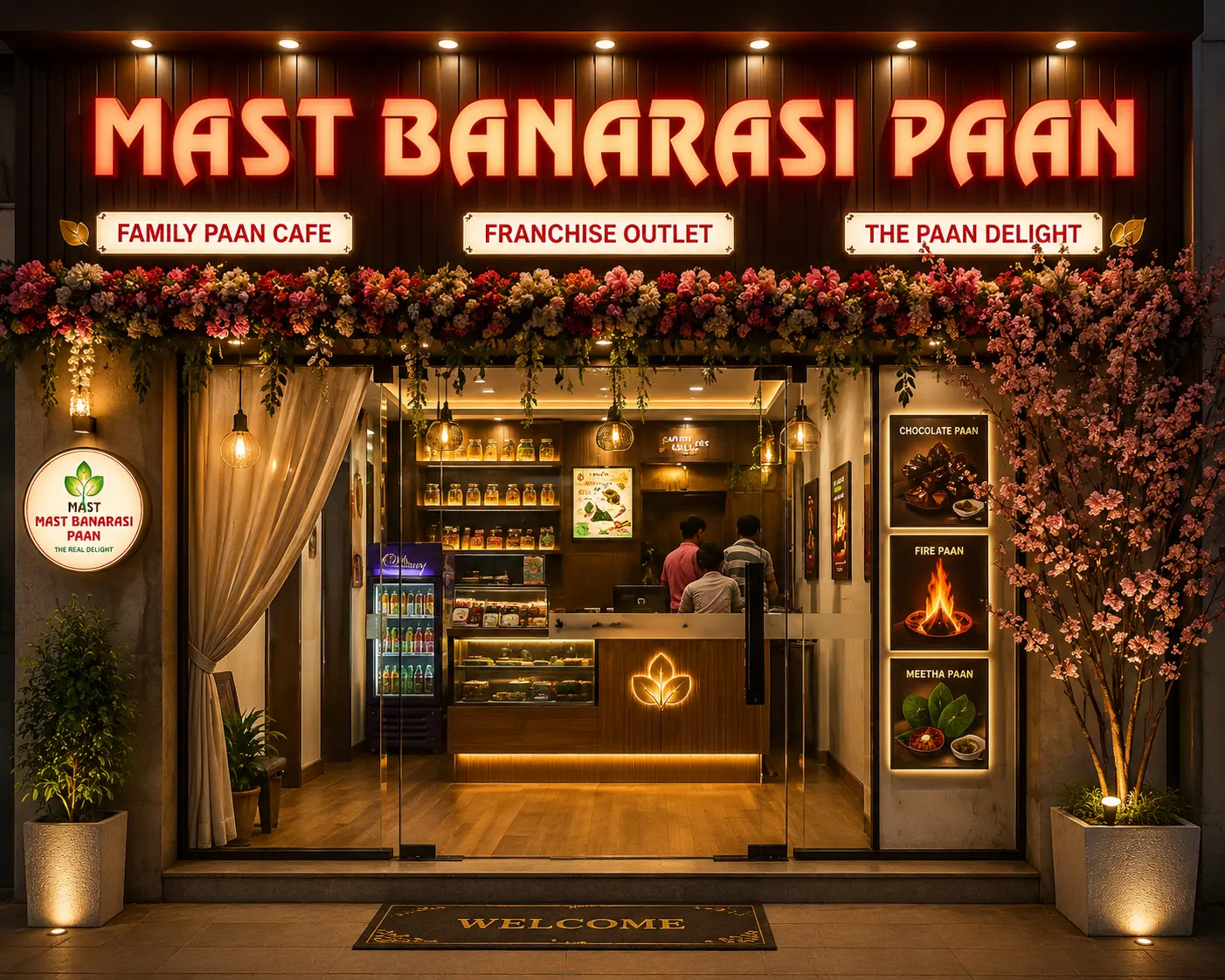
Starting a business from scratch can take years of trial and error. That is why many entrepreneurs today prefer established franchise models where branding, systems, and customer trust already exist. The right franchise not only reduces risk but also creates a faster path toward profitability and expansion.
Read More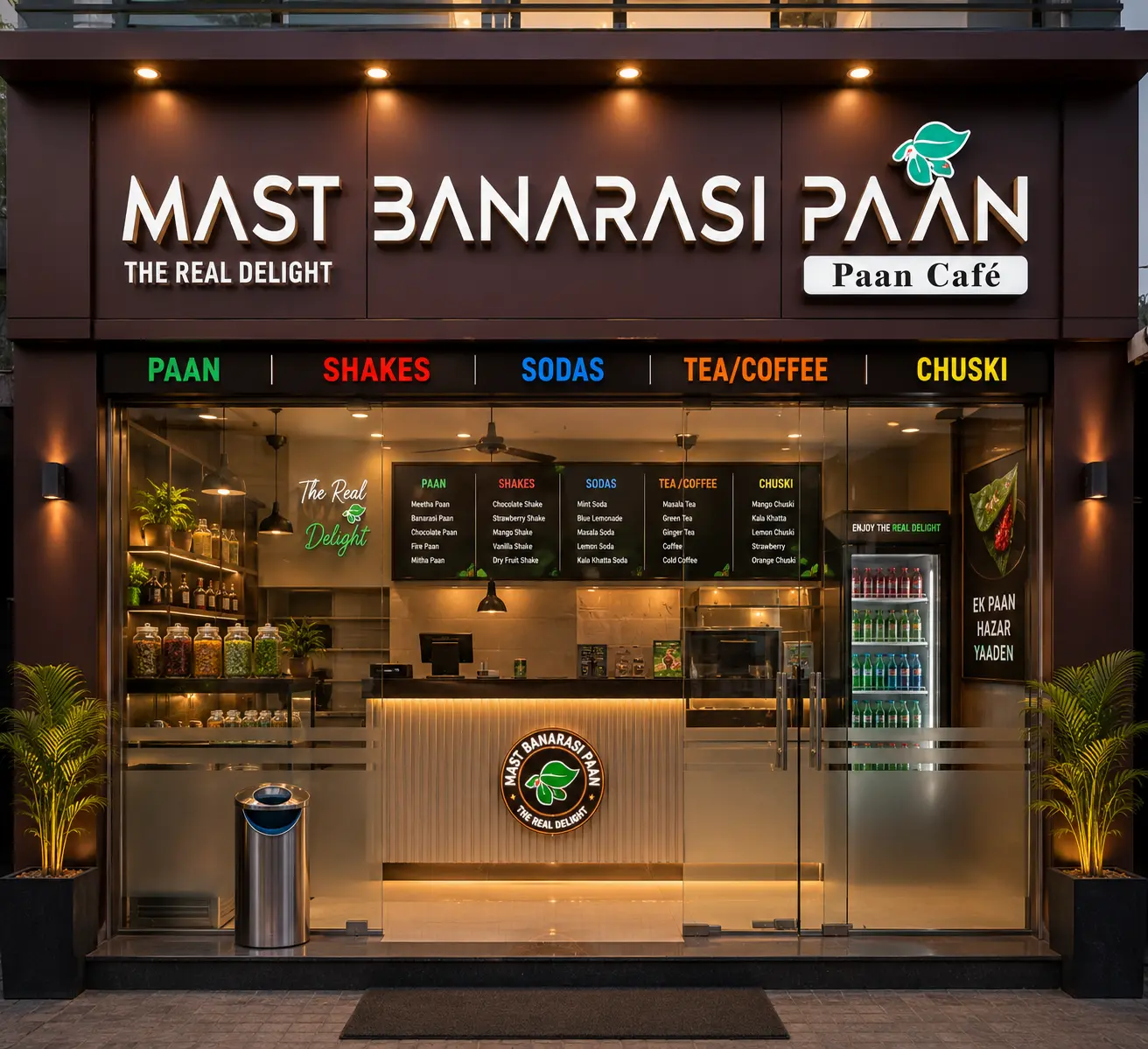
For generations, paan has been an important part of Indian culture. It is served after meals, enjoyed during celebrations, and often associated with hospitality and tradition. However, the way consumers experience paan today is very different from what it was a decade ago. Modern customers are no longer looking for just a paan shop. They want quality, hygiene, consistency, and unique flavours that create a memorable experience. This shift has given rise to organised brands that are transforming a traditional product into a modern retail category. As customer expectations continue to evolve, choosing the right paan brand in india has become about much more than taste alone. People now evaluate brands based on flavour variety, presentation, ingredient quality, and overall experience.
Read More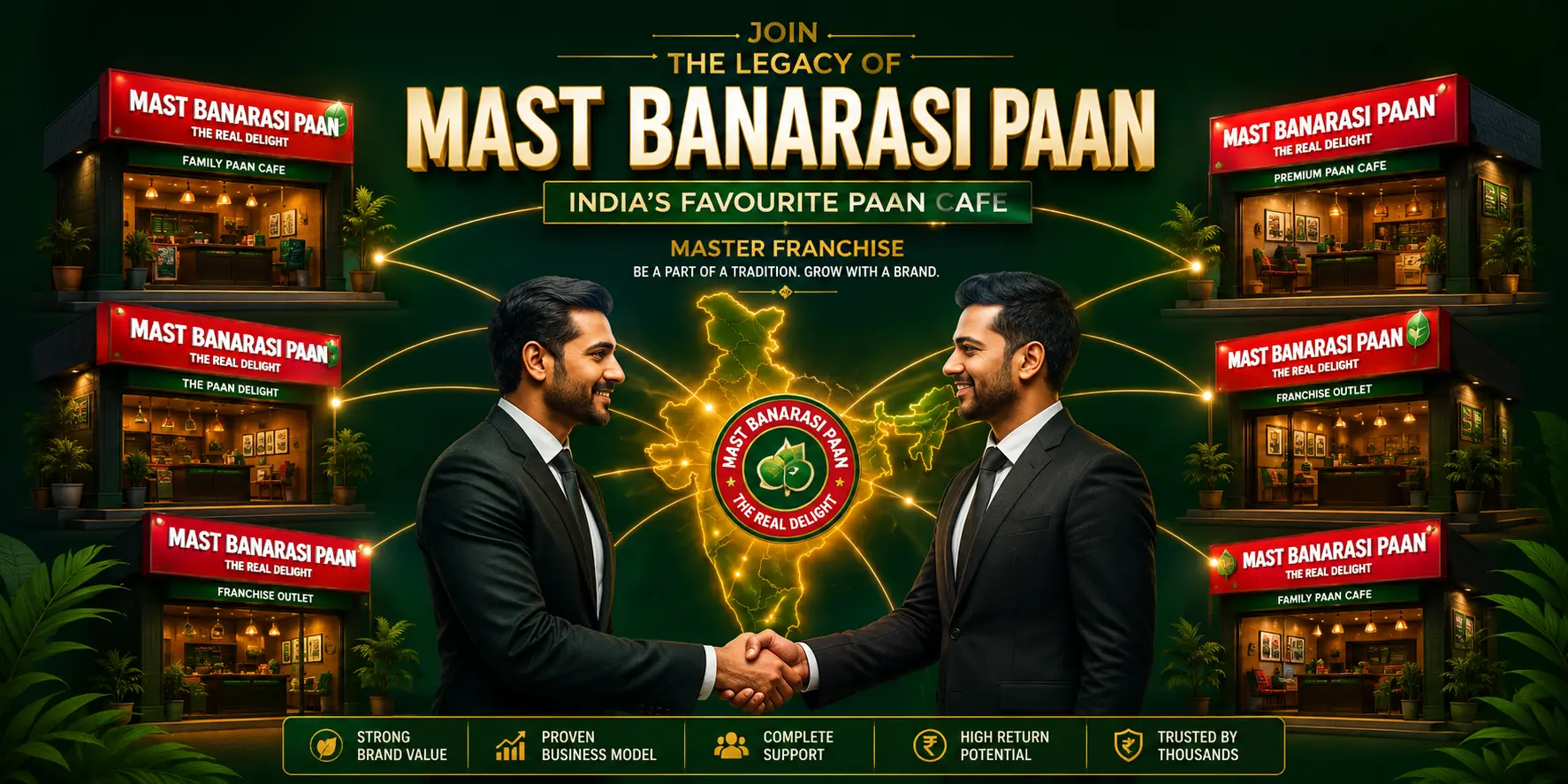
The biggest difference between owning one successful outlet and building a regional business is scale. A single store can create income, but a well-planned territory can create a much larger business network. This is why experienced entrepreneurs are increasingly studying master franchise opportunities before choosing their next investment. A master franchise model can give an investor rights to develop a particular territory, support unit franchisees, and participate in the growth of the brand within that market. It is not simply about opening another shop; it is about becoming a local growth partner for an established brand. For entrepreneurs who already understand sales, operations, local markets, or food retail, this can offer a practical route toward building a regional business.
Read More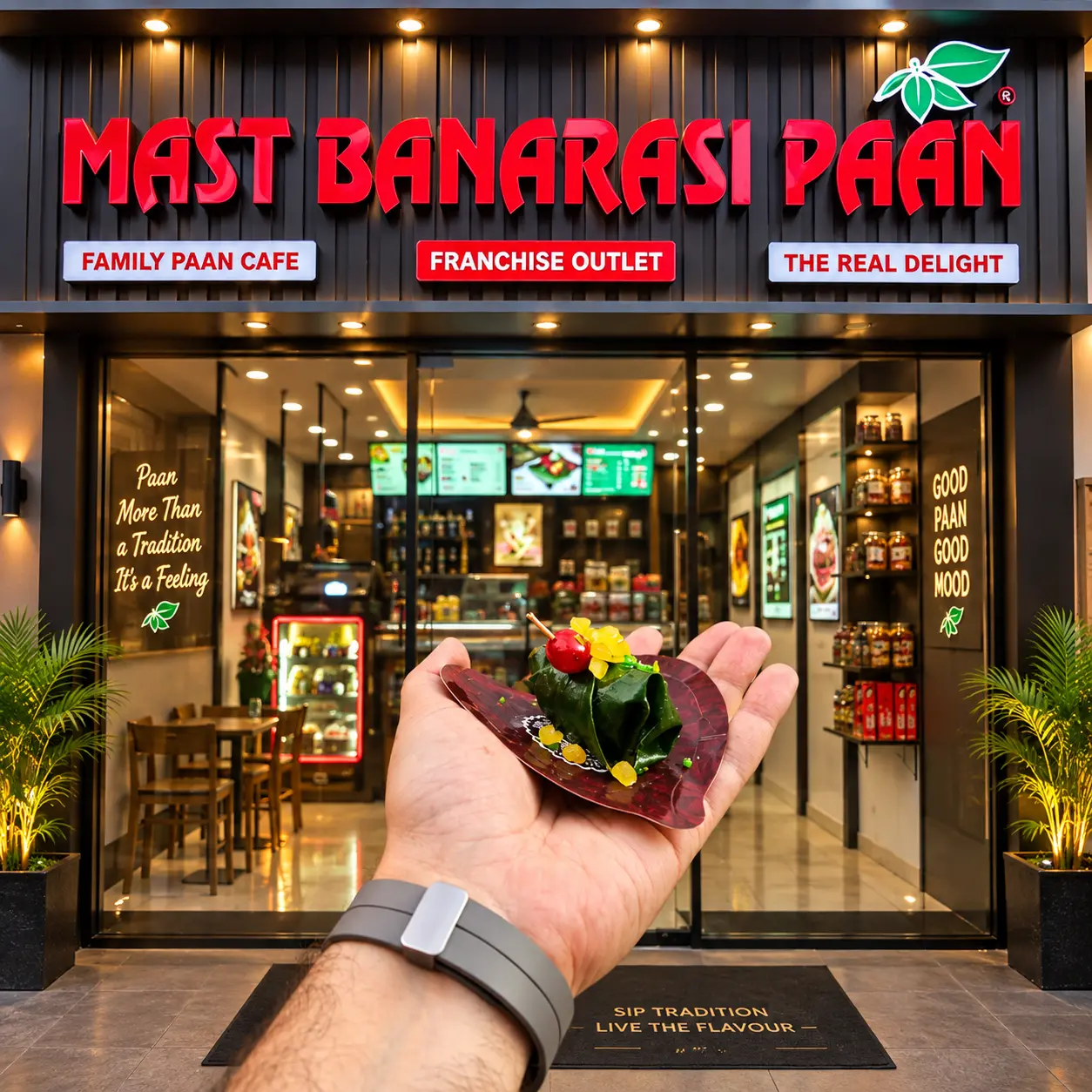
Paan is no longer limited to traditional roadside shops. Today, customers are looking for better hygiene, attractive presentation, unique flavours, and a comfortable experience. This change has created a new opportunity for organised paan brands and entrepreneurs looking to enter the food and beverage market. Among the growing options, best Banarasi paan franchise in India is a search that reflects the increasing interest in combining authentic paan culture with a modern business format.
Read More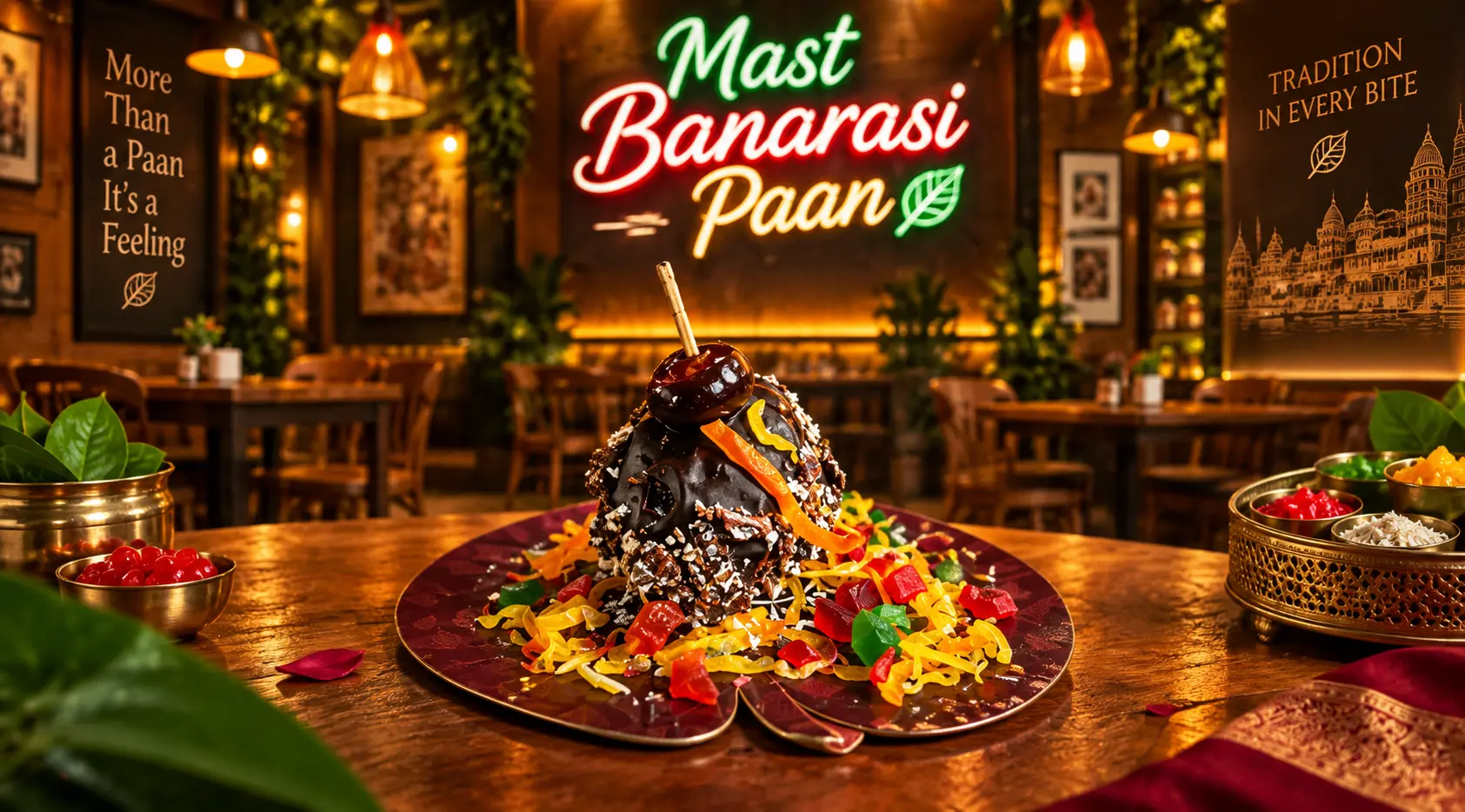
Paan has been part of Indian culture for generations. From weddings and celebrations to everyday after-meal traditions, it continues to hold a special place in Indian life. But the way people enjoy paan is changing. Today, customers are looking for better hygiene, consistent taste, attractive presentation, and new flavours along with traditional recipes. This change has created a growing space for organised paan businesses that combine heritage with a modern customer experience. For anyone searching for a paan brand in india, the important factors are no longer limited to taste. Quality, authenticity, consistency, presentation, and customer experience all matter.
Read More