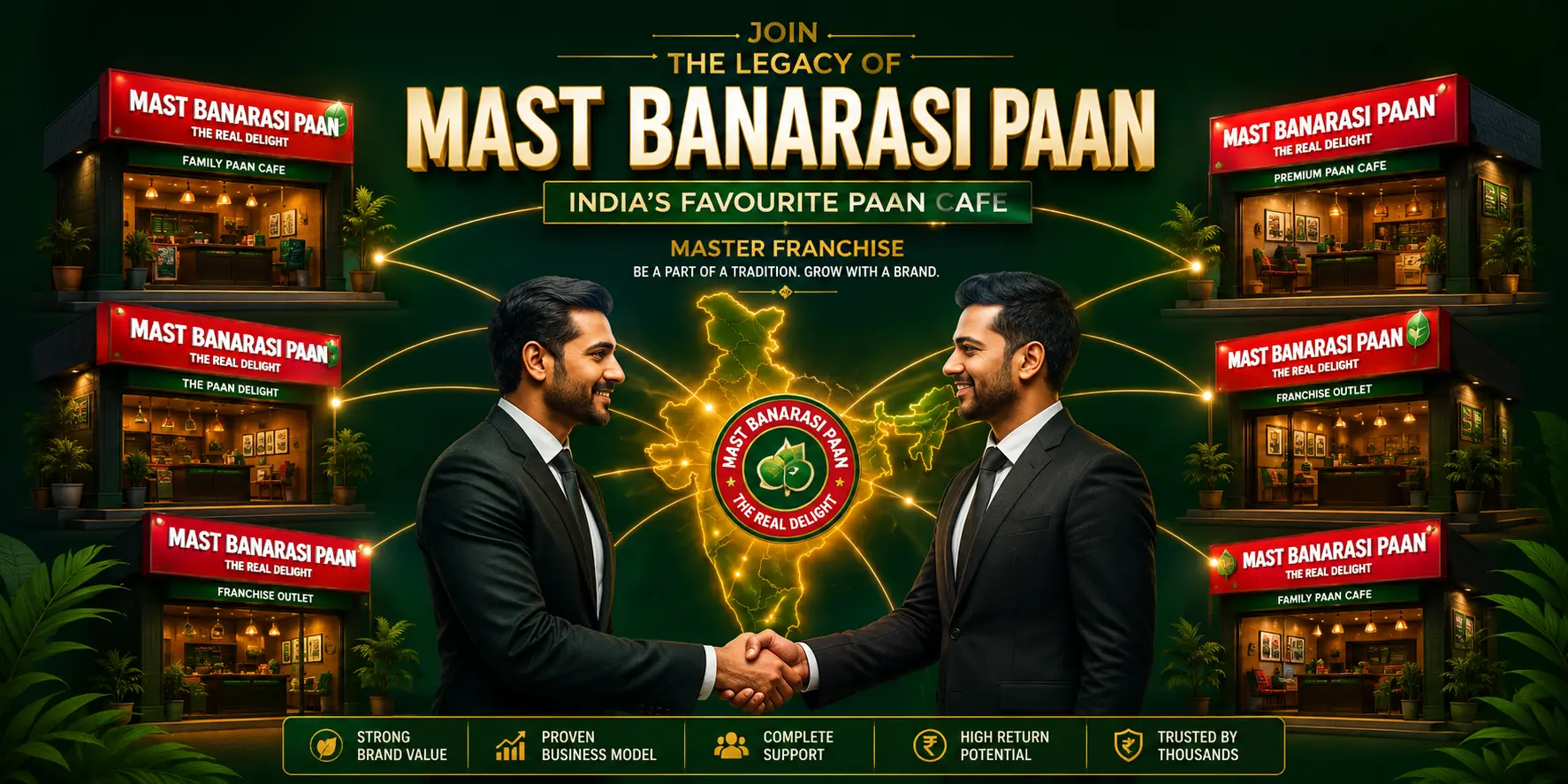
Master Franchise: Build a Business Beyond One Outlet

Why This Model Can Be More Powerful Than One Store

The traditional franchise model usually focuses on one outlet. A territory-based model changes the way an investor thinks about growth.

Instead of asking, “How much can my one store earn?” the bigger questions become:

  • How many suitable locations exist in my territory?

  • Can I identify and support new franchise partners?

  • Can the brand be introduced successfully across different customer segments?

  • Can I build a local network while maintaining brand standards?

  • This shift from outlet management to territory development is what makes the opportunity attractive to experienced business owners.

    The Opportunity Behind a Growing Paan Category

    Paan is deeply connected with Indian culture and has a broad customer base. What is changing is the way the product is presented and sold.

    Customers increasingly expect:

  • Hygienic preparation

  • Consistent taste

  • Attractive outlets

  • Premium presentation

  • Reliable service

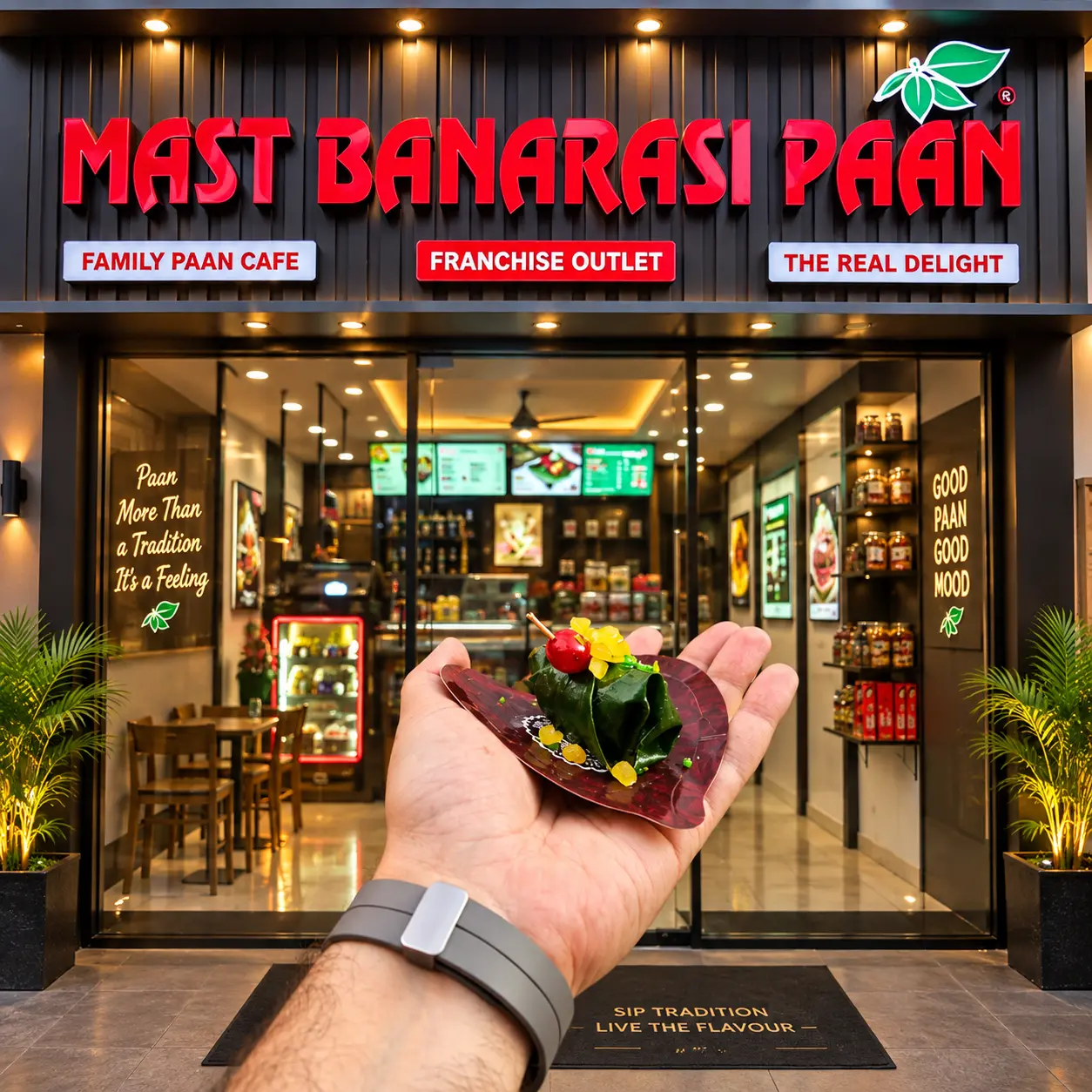
  • Mast Banarasi Paan has built its concept around modernising traditional paan culture through hygiene, innovation, and a cafĂ©-style experience. The brand states that it was started in 2012 by P.N. Thakur with this vision.

    This combination of traditional demand and organised retail creates an interesting opportunity for entrepreneurs who understand local markets and want to build a larger network.

    How Mast Banarasi Paan Approaches Regional Growth

    The official Mast Banarasi Paan page states that an eligible partner can receive rights for a particular geographical region. It also states that the partner can receive a certain percentage of franchise fees and royalty from unit franchisees, subject to the agreed structure.

    This makes the role different from simply owning a single outlet. The investor can become involved in developing the brand within the selected territory and supporting additional franchise partners.

    The brand currently presents three unit formats:
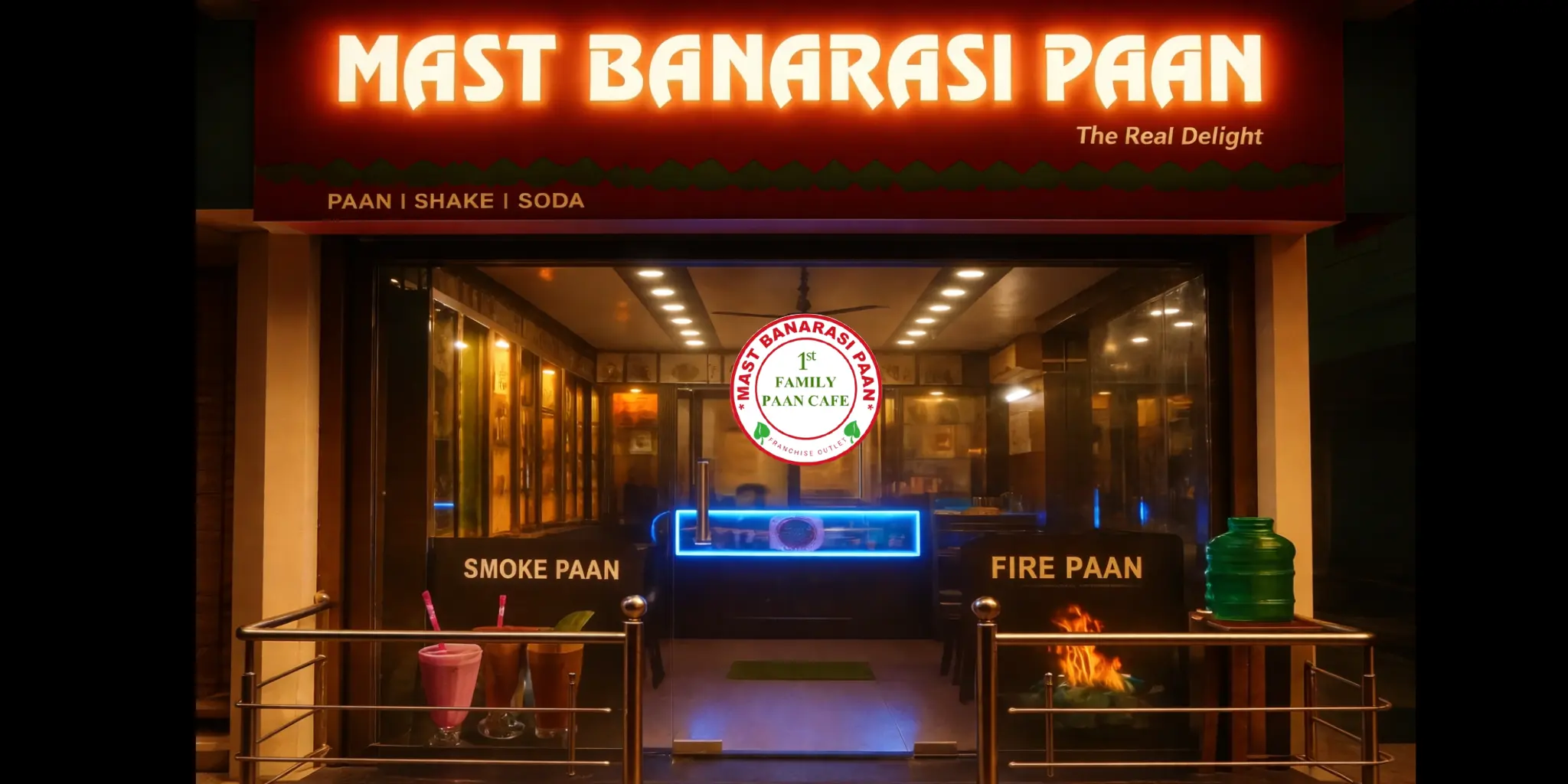
  • Kiosk Model: 100–150 sq. ft., with an indicated investment of ₹6-8 lakh

  • CafĂ© Model: 100–150 sq. ft., with an indicated investment of ₹8-10 lakh

  • Premium CafĂ© Model: 150–200 sq. ft., with an indicated investment of ₹10-12 lakh

  • These figures are published for the unit franchise formats and should not be treated as the investment requirement for the territory-level model.

    The official details are available on the Mast Banarasi Paan master-franchise page.

    What Makes a Territory Worth Investing In?

    Territory selection can have a major impact on the success of any regional franchise model.

    Before committing, an investor should evaluate:

    Population and customer profile

    A large and diverse customer base can create more potential locations.

    Commercial activity

    Markets, shopping areas, corporate zones, residential clusters, and entertainment destinations can produce different types of demand.

    Competition

    Understanding existing paan shops, cafés, restaurants, and local brands helps identify areas where an organised concept may have room to grow.

    Expansion potential

    The value of a territory is not only its first outlet. Investors should consider whether multiple suitable locations can be developed over time.

    Why Business Experience Matters

    A territory-level model requires more than financial investment. The investor may need to identify franchise partners, understand local demand, coordinate operations, and help maintain brand standards.

    This is why Mast Banarasi Paan specifically describes its territory model as suitable for experienced business people or people with significant understanding of the paan industry.

    For someone completely new to entrepreneurship, a single-unit model may be easier to understand and manage initially. People searching for a franchise for beginners should therefore compare the responsibilities of a regular unit with those of a territory-level partnership before deciding.

    The Financial Logic Behind Territory Development

    The attraction of this model is the possibility of creating several business relationships within one geographical market rather than depending entirely on one outlet.

    However, investors should avoid looking at franchise fees or royalty income as guaranteed returns. Actual results depend on territory potential, franchise development, customer demand, operating quality, investment, and the terms agreed with the brand.

    A responsible investor should calculate:

  • Initial investment

  • Working capital requirements

  • Territory development costs

  • Marketing expenses

  • Expected number of outlets

  • Time required to develop the market

  • Potential revenue streams

  • Ongoing brand and operational costs

  • This creates a more realistic picture than simply comparing headline investment figures.

    Territory Model vs Unit Franchise

    A unit franchise is generally focused on operating an individual outlet. A territory-level arrangement is focused on developing a market.

    A unit partner typically concentrates on:

  • Daily sales

  • Staff management

  • Inventory

  • Customer experience

  • Local marketing

  • A territory partner may additionally focus on:

  • Market expansion

  • Franchise partner acquisition

  • Territory development

  • Local business relationships

  • Supporting multiple outlets

  • Maintaining brand standards

  • Neither model is automatically better. The right choice depends on the investor’s experience, capital, goals, and ability to manage a larger business network.

    What Should You Ask Before Signing an Agreement?

    Before entering any franchise arrangement, investors should understand the commercial terms in detail.

    Important questions include:

  • What geographical area is included?

  • Is the territory exclusive?

  • What are the development targets?

  • What support does the brand provide?

  • Who handles franchise enquiries?

  • How are franchise fees structured?

  • How are royalty arrangements calculated?

  • What marketing responsibilities does each party have?

  • What is the agreement duration?

  • What happens if development targets are not achieved?

  • Clear answers to these questions can prevent misunderstandings later and help investors judge whether the opportunity fits their business plan.

    Why Organised Brands Can Create New Growth Opportunities

    India's franchise market is becoming more structured. Entrepreneurs are no longer looking only for a familiar brand name; they are looking for systems, support, customer demand, and a model that can adapt to different markets.

    For a traditional category like paan, this creates an interesting opening. A recognised brand can bring standardisation to a product category that was historically dominated by independent shops.

    This is where new franchise opportunities can become valuable for investors who want to enter a growing market with an established operating concept rather than building everything from zero.

    Is This Model Right for You?

    A territory-level opportunity can be attractive, but it should match the investor's capabilities.

    It may suit you if you:

  • Have previous business experience

  • Understand your local market

  • Can manage people and relationships

  • Have sufficient financial resources

  • Want to build a regional network

  • Are comfortable with a long-term growth strategy

  • It may not be the right choice if you only want to operate one small outlet or are looking for a completely passive investment. The goal should be to choose a model that matches your ability, not simply the model with the biggest potential headline.

    Frequently Asked Questions

    What is meant by master franchise?

    It is a structure in which an investor receives rights to develop a brand within a defined geographical territory and may support additional franchisees in that market. Mast Banarasi Paan's published model describes territory rights and potential participation in franchise fees and royalty from unit franchisees, subject to the agreed arrangement. Which franchise is most profitable?

    There is no single franchise that guarantees the highest profit. Profitability depends on location, customer demand, investment, operating costs, brand support, and execution. Mast Banarasi Paan can be considered by investors who want to build a structured paan retail network, but expected returns should always be evaluated using actual commercial terms and territory potential. Which is the cheapest franchise?

    The cheapest option depends on the brand and outlet format. Mast Banarasi Paan currently lists a kiosk format at 100–150 sq. ft. with an indicated investment of ₹6–8 lakh, making it the lowest-investment unit format shown on its official franchise page. This should not be confused with the investment required for a territory-level arrangement. Is franchising good or bad?

    Franchising can be beneficial when the brand, location, agreement, support, and investor capabilities are well matched. It can reduce the need to build a brand from scratch, but it does not remove business risk. Investors should review costs, responsibilities, territory rights, and development requirements before committing. Who can become a Mast Banarasi Paan territory partner?

    The brand states that its territory model is intended for experienced business people or individuals with significant understanding of the paan industry. Business experience, market knowledge, and the ability to develop a territory are therefore important considerations. What are the benefits of a territory-level franchise model?

    The main advantage is the ability to focus on developing a larger geographical market rather than relying on one outlet. Under the Mast Banarasi Paan model, the published information mentions potential participation in franchise fees and royalty from unit franchisees. The exact commercial structure should be confirmed directly with the brand. How much investment is required for a Mast Banarasi Paan franchise?

    The official website currently lists ₹6-8 lakh for the kiosk model, ₹8-10 lakh for the café model, and ₹10-12 lakh for the premium café model. These are unit-format figures; investors considering a territory-level arrangement should contact the brand for the applicable investment and commercial terms. How do I apply for a Mast Banarasi Paan territory?

    Interested investors can visit the official Mast Banarasi Paan master-franchise page and submit an enquiry. The brand provides a contact form for prospective partners and can explain territory availability, commercial terms, support, and the next steps.

    Building a Business That Can Grow Beyond One Location

    The real value of a master franchisemodel is the opportunity to think bigger than one outlet. Instead of concentrating only on daily store sales, an investor can work toward developing a network, building local partnerships, and creating a stronger regional presence.

    Mast Banarasi Paan's published model provides an opportunity for eligible entrepreneurs to explore territorial development around an established paan concept. For an investor with the right experience, resources, and market understanding, the next step is to understand the territory, commercial structure, responsibilities, and realistic growth potential before making a decision

    MAST BANARASI PAAN BLOG

    What do these successful businesses have in common?

    Marketing Blog

    Blog Image 1
    Best Paan Franchise in India: A Trusted Business Model

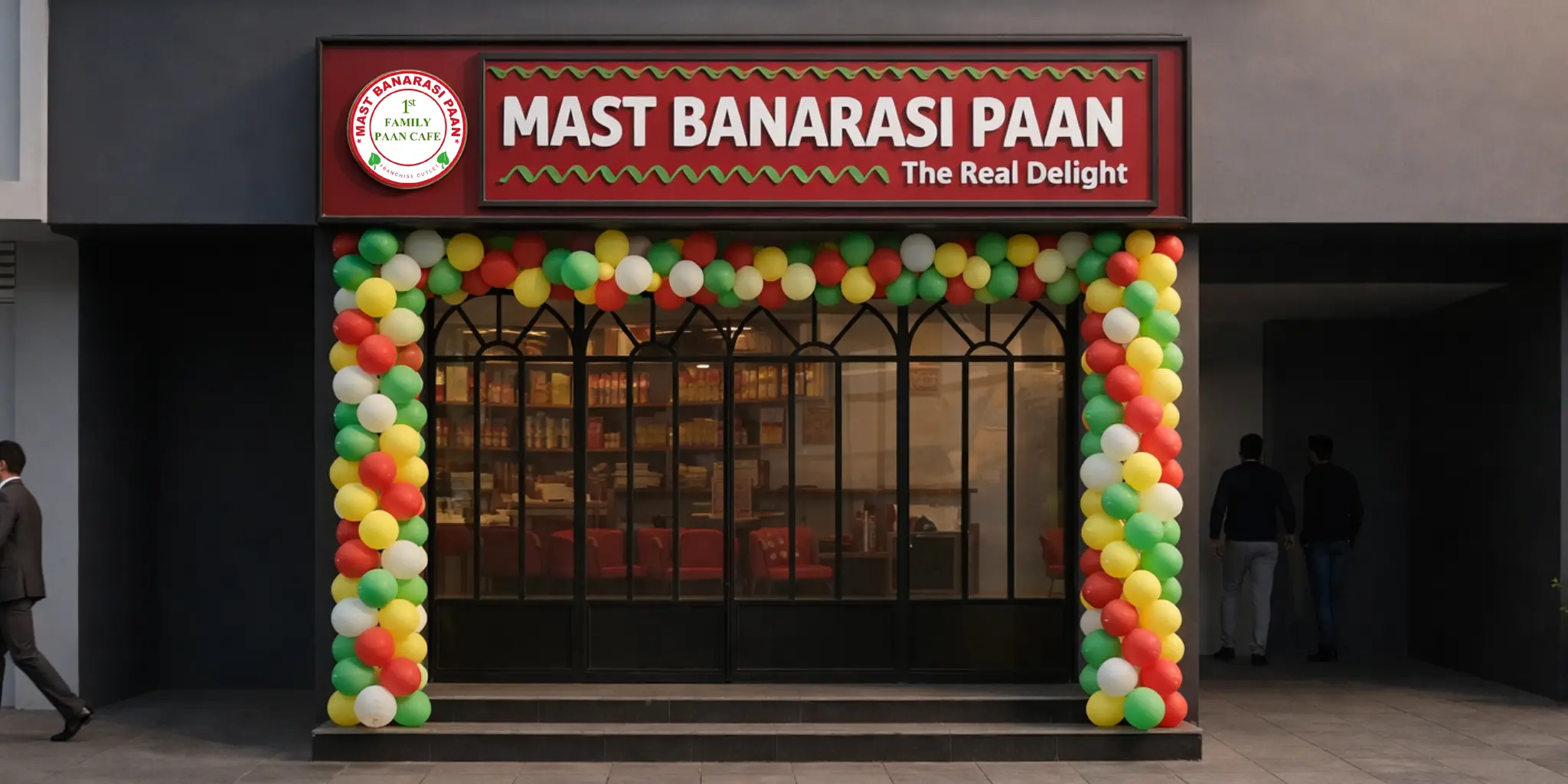
    The paan industry in India is no longer limited to small, unorganised shops. It has evolved into a structured business category supported by branding, hygiene standards, and repeat customer demand. This evolution has opened a serious opportunity for entrepreneurs who want a culturally strong business with predictable cash flow and long-term sustainability.<br><br> Today, investors are not just looking for a product that sells, but for a system that works across cities, demographics, and time. That is exactly where organised paan brands are changing the market.<br><br>

    Read More
    Blog Image 1
    Paan Shop Franchise Opportunity in India | Mast Banarasi Paan

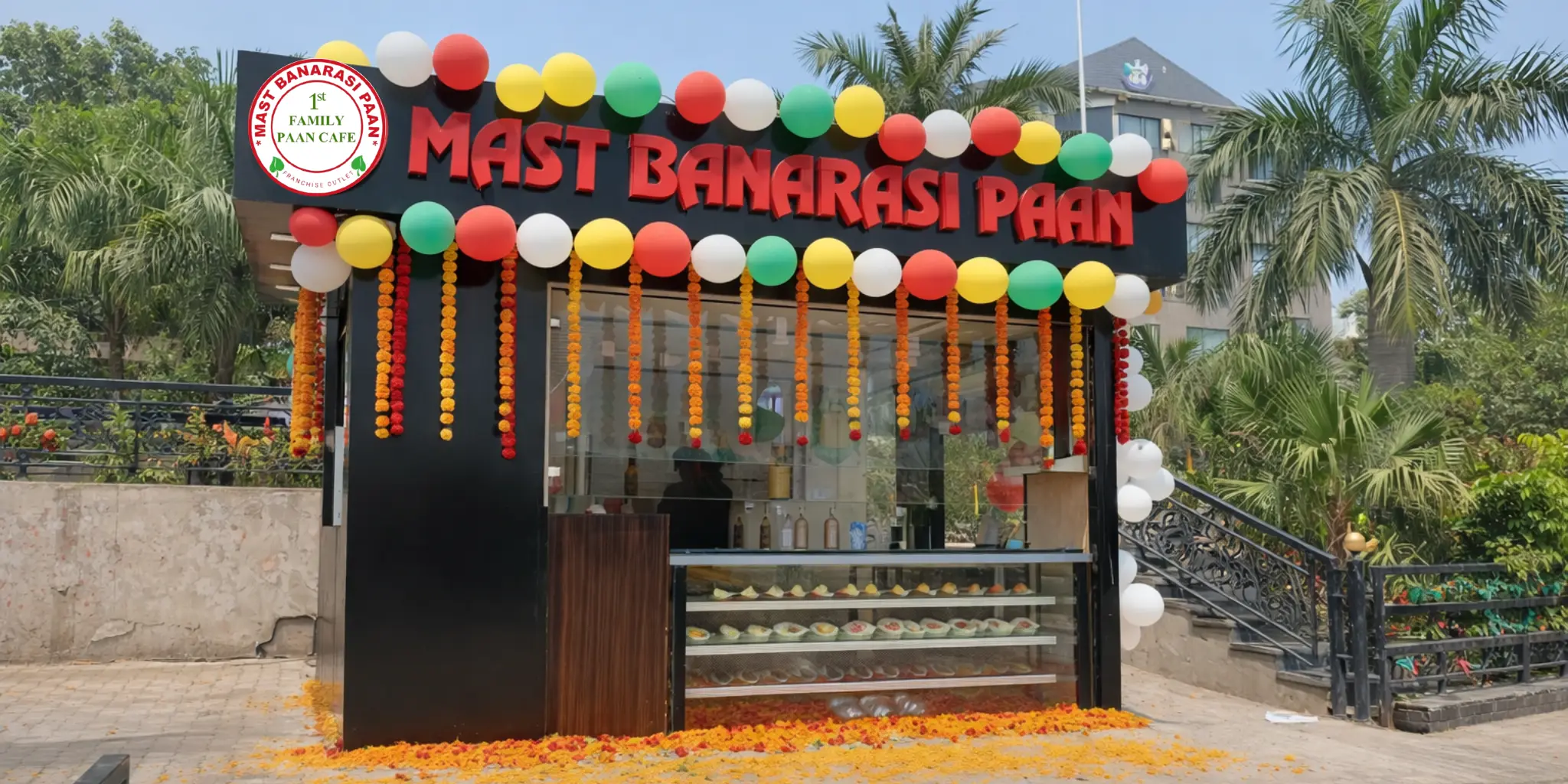
    For decades, paan in India was seen as a small counter business - local, informal, and dependent on individual skill. But over the last few years, something important has changed. Consumers started demanding hygiene, consistency, and branded experiences. At the same time, investors began looking for food businesses that offer steady daily demand instead of trend-based spikes. <br><br> This is where the paan category quietly turned into a serious retail opportunity. Not as a gimmick. Not as a seasonal trend. But as a habit-driven business with predictable customer behaviour.

    Read More
    Blog Image 1
    Mast Banarasi Paan - A Premium Paan cafe Franchise Business Model

    Read More
    Blog Image 1
    Why India’s Traditional Paan Culture Is Becoming a Smart Retail Opportunity

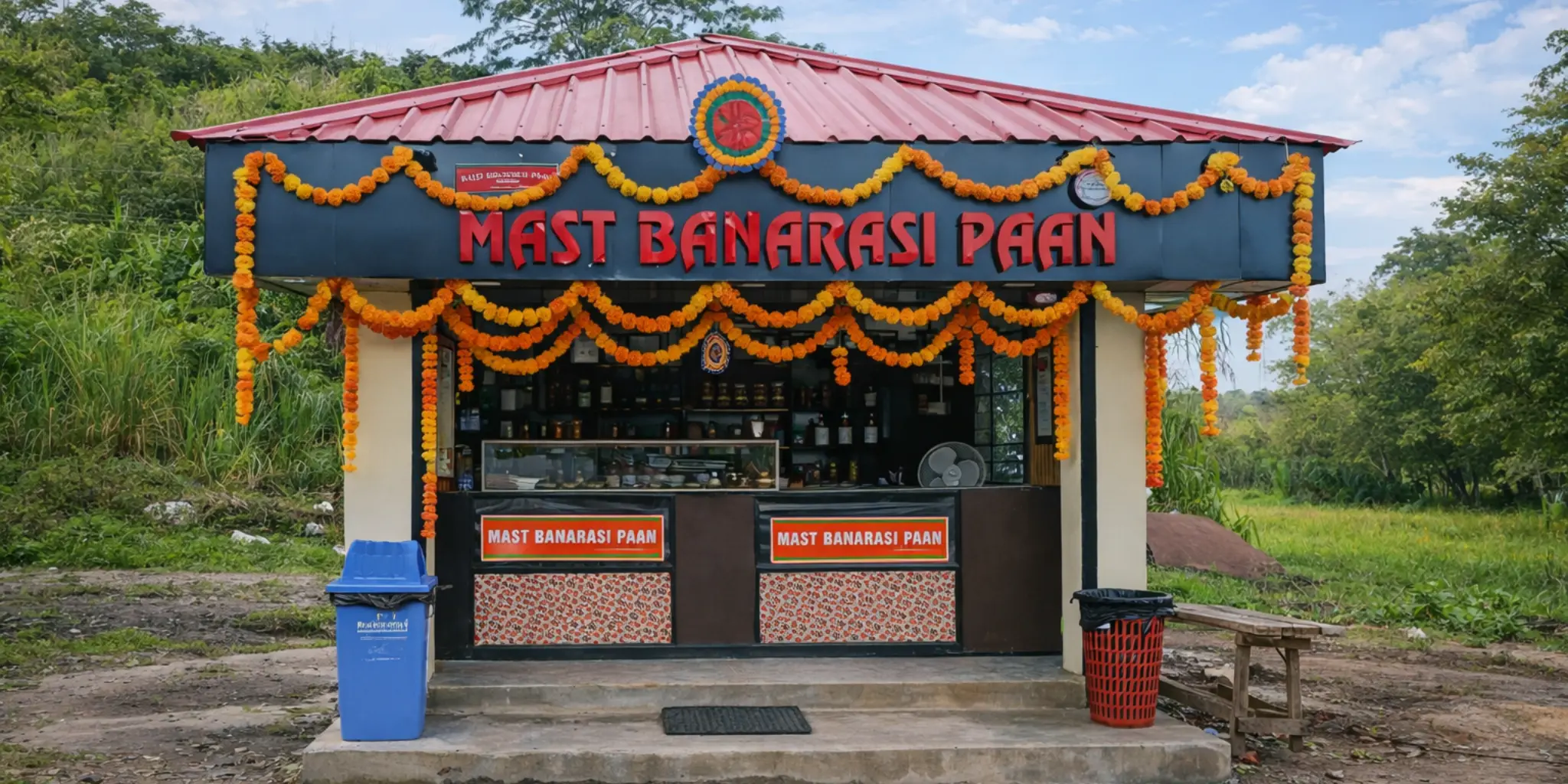
    For generations, paan has been part of Indian lifestyle after meals, during celebrations, or as a daily refreshment. What used to be a small local trade is now turning into a structured retail opportunity. Urban customers want hygiene, presentation, and brand reliability, not just taste. This shift has created space for organised paan brands that combine tradition with modern retail systems. Instead of depending on one person’s skill, successful outlets now operate with training, supply chains, and standard preparation methods. Investors are noticing this transformation because it connects cultural demand with repeat customers. A product people already consume daily is easier to scale than a product that needs heavy marketing to create demand.

    Read More
    Blog Image 1
    Why Smart Entrepreneurs Are Looking Beyond Traditional Businesses

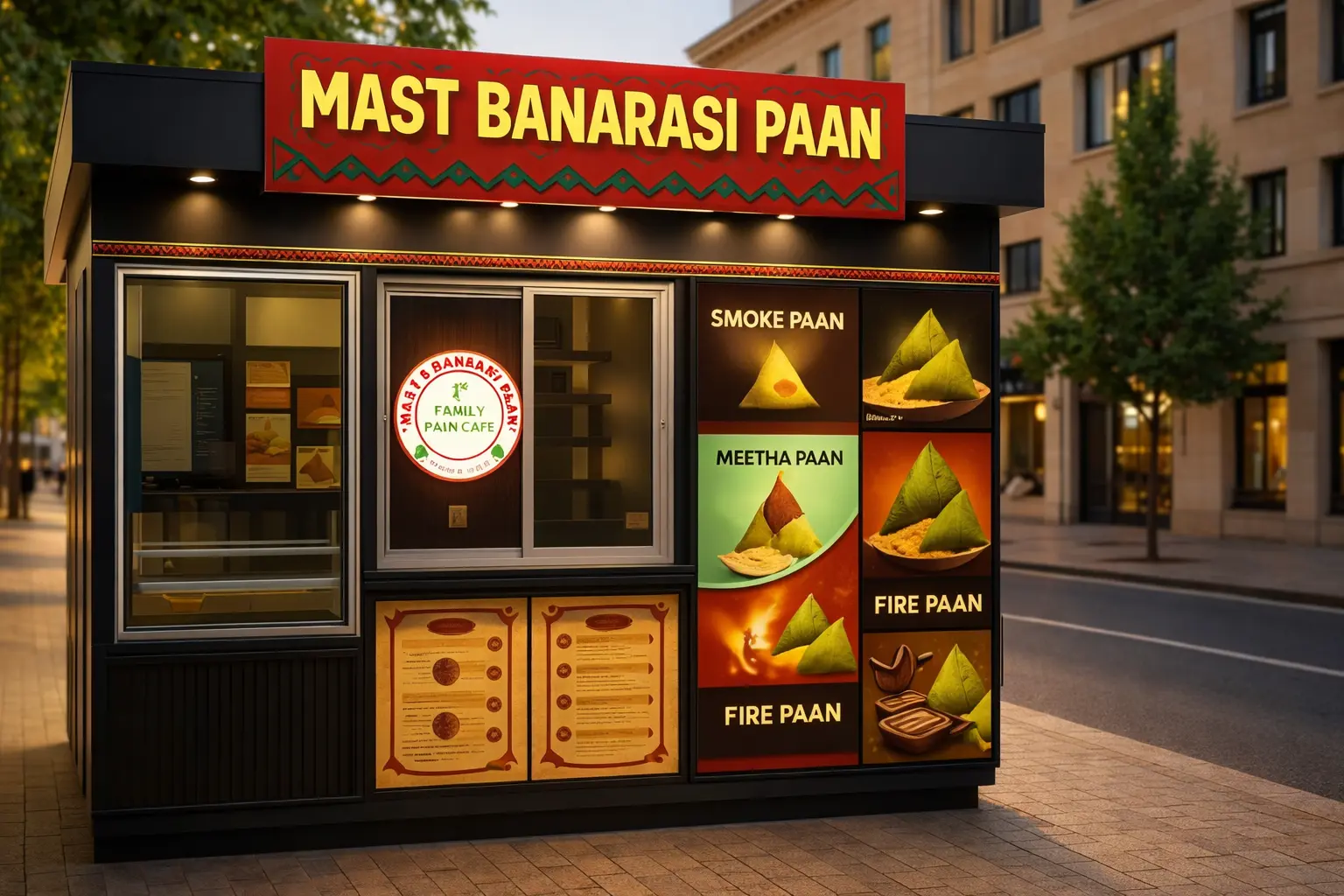
    Starting a business today is very different from what it was a decade ago. Earlier, people had to experiment, make mistakes, and spend years figuring out what worked. Today, many entrepreneurs prefer something smarter a structured model where systems, branding, and customer demand already exist. This shift is one of the main reasons people are actively exploring franchise opportunities in India. Instead of building everything from scratch, entrepreneurs can start with a proven concept that already understands operations, sourcing, and customer expectations. <br><br> But the real question isn’t whether franchising works. The real question is which industries actually sustain long-term demand.<br><br>

    Read More
    Blog Image 1
    The Rise of the Modern Paan Cafe in India

    The Indian food and retail landscape is evolving rapidly. Consumers today expect more than just taste - they look for hygiene, presentation, and consistency. Traditional businesses that adapt to these expectations are the ones that grow. Paan, deeply rooted in Indian culture, is now entering a new phase. What was once a simple after-meal refreshment is now being reimagined as a structured retail concept that fits modern urban environments.

    Read More
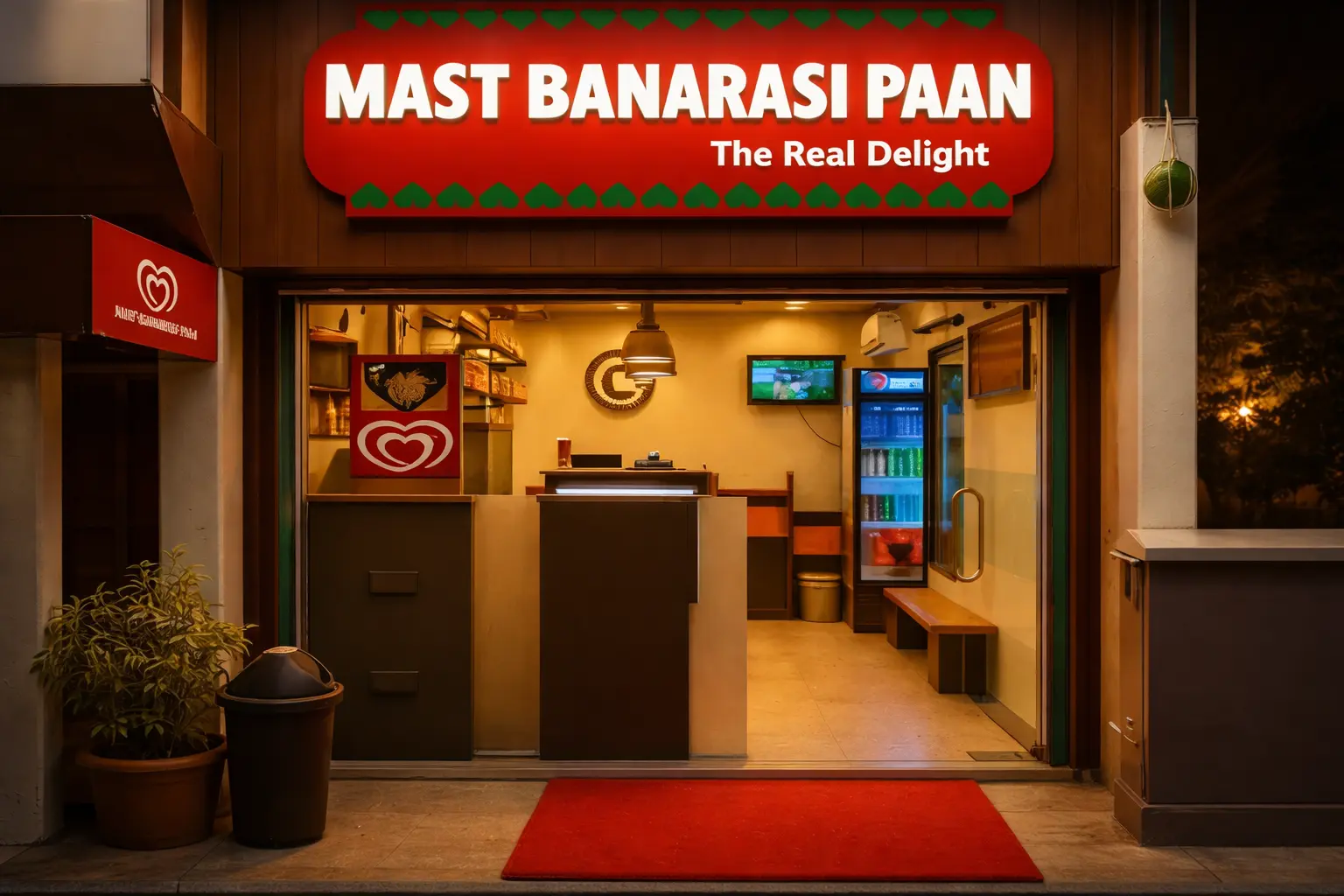
    Blog Image 1
    Why This Traditional Category Is Becoming a Smart Business Choice

    In India, some products do not need marketing to survive - they already exist in people’s daily habits. Paan is one of them. It is consumed after meals, during travel, at social gatherings, and across generations. What is changing today is not the product, but the way it is delivered. Clean environments, consistent taste, and structured retail formats are replacing informal setups. This shift is turning a traditional activity into a more reliable and scalable opportunity. For many entrepreneurs, a paan business is no longer seen as a small roadside shop. It is now being viewed as a retail model that can grow with proper systems and brand support.

    Read More
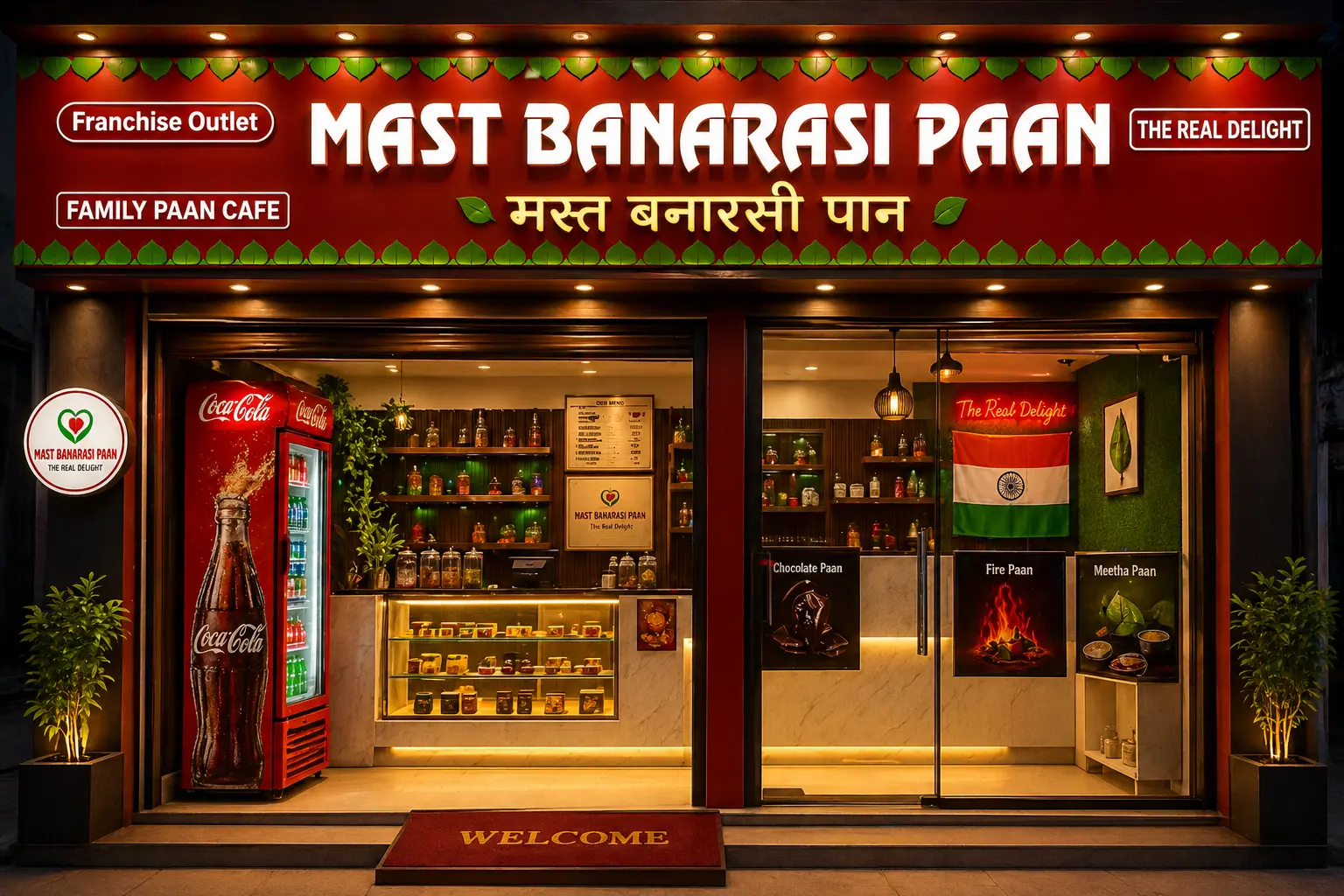
    Blog Image 1
    Why This Old-School Idea Is Winning in Today’s Market

    In recent years, paan has moved beyond a simple after-meal refreshment. It is now becoming part of curated experiences at events, gatherings, and premium retail spaces. Customers today look for presentation, hygiene, and variety - not just taste. This shift has led to the rise of organised formats where paan is served as an experience rather than a quick purchase. A professionally designed paan counter creates both visual appeal and trust, making it suitable for modern consumers and high-end events.

    Read More
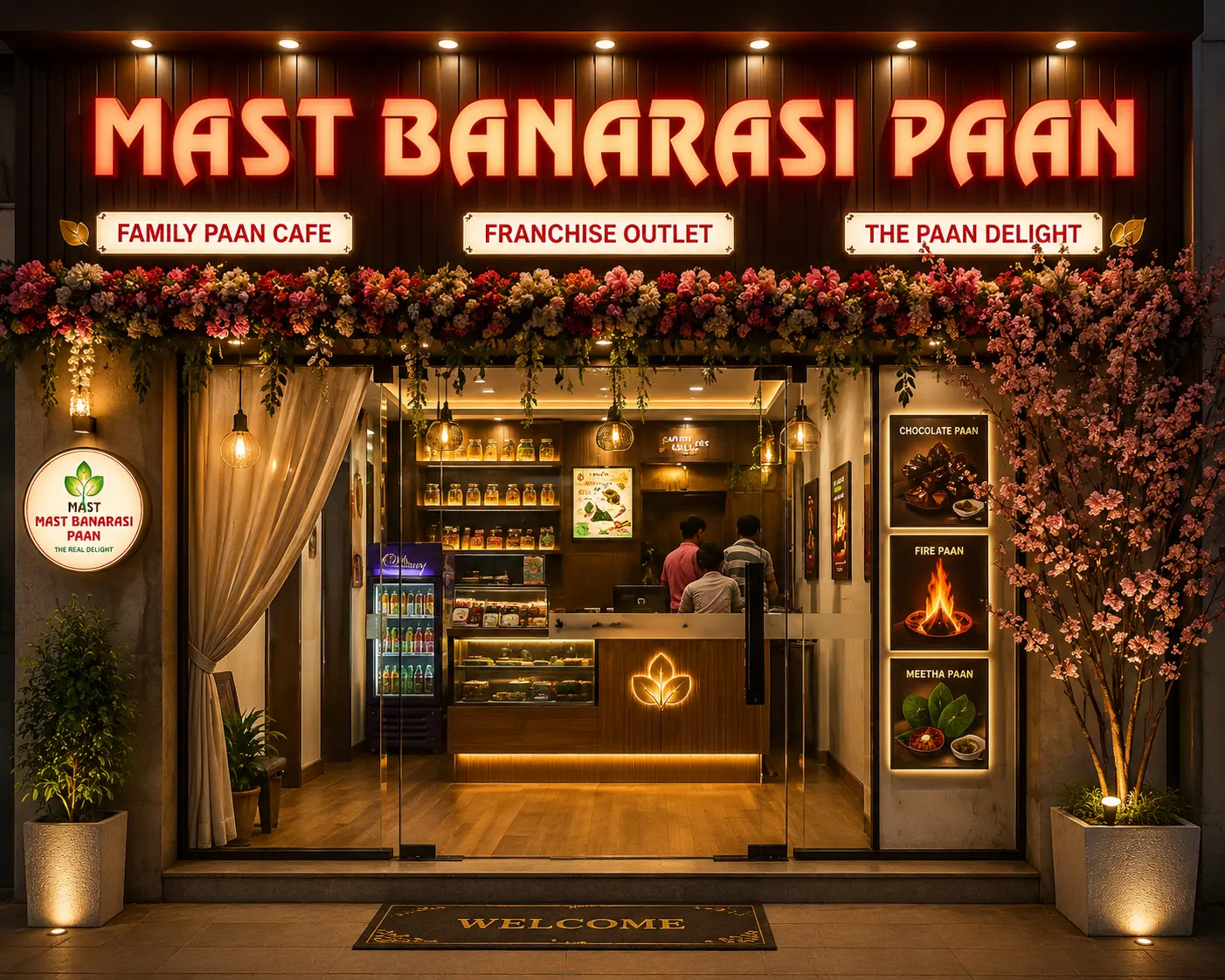
    Blog Image 1
    Top 5 Franchise Opportunity in India That Can Generate Long-Term Growth

    Starting a business from scratch can take years of trial and error. That is why many entrepreneurs today prefer established franchise models where branding, systems, and customer trust already exist. The right franchise not only reduces risk but also creates a faster path toward profitability and expansion.

    Read More
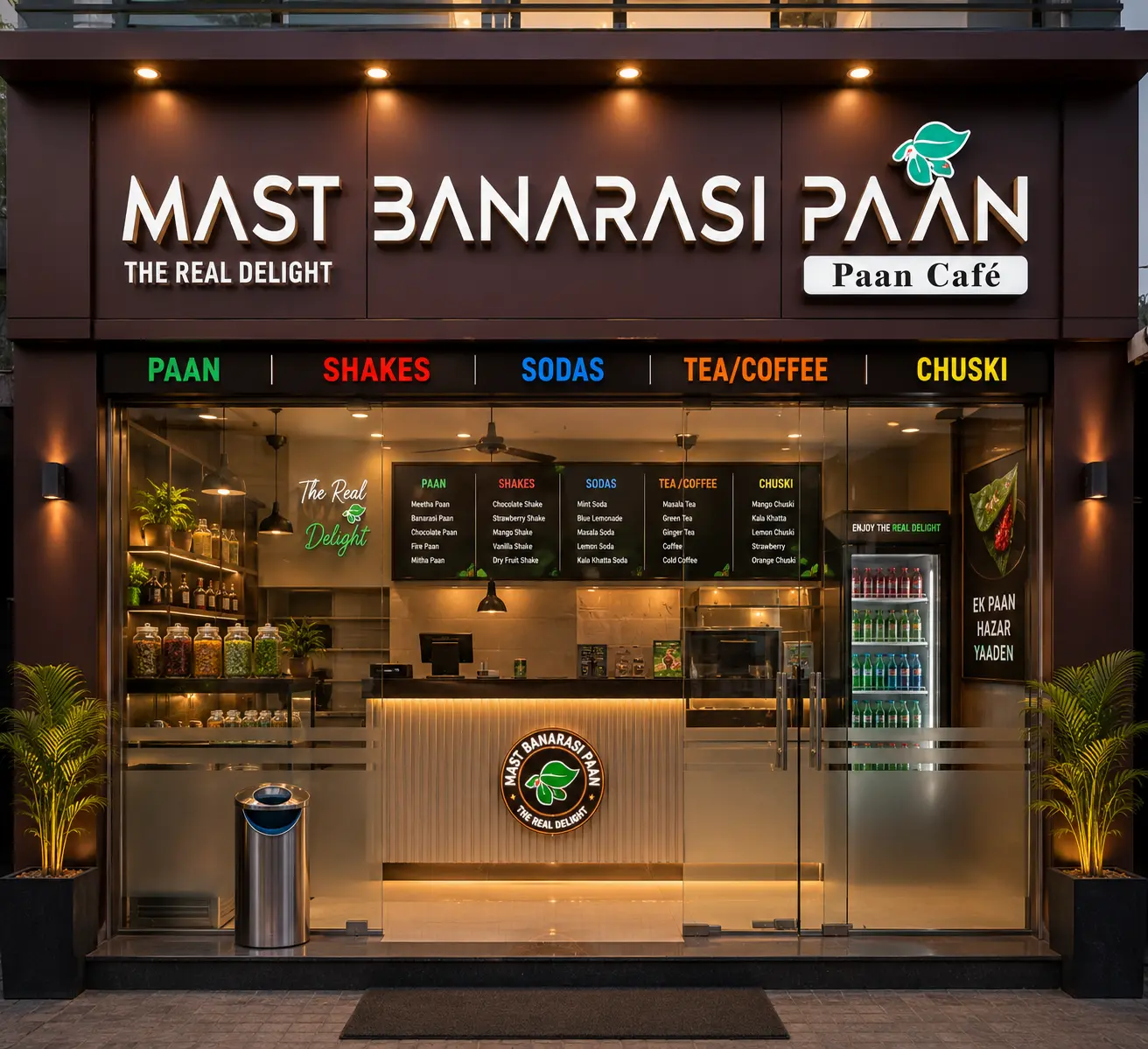
    Blog Image 1
    Paan Brand in India: What Makes a Brand Truly Stand Out?

    For generations, paan has been an important part of Indian culture. It is served after meals, enjoyed during celebrations, and often associated with hospitality and tradition. However, the way consumers experience paan today is very different from what it was a decade ago. Modern customers are no longer looking for just a paan shop. They want quality, hygiene, consistency, and unique flavours that create a memorable experience. This shift has given rise to organised brands that are transforming a traditional product into a modern retail category. As customer expectations continue to evolve, choosing the right paan brand in india has become about much more than taste alone. People now evaluate brands based on flavour variety, presentation, ingredient quality, and overall experience.

    Read More
    Blog Image 1
    Master Franchise: Build a Business Beyond One Outlet

    The biggest difference between owning one successful outlet and building a regional business is scale. A single store can create income, but a well-planned territory can create a much larger business network. This is why experienced entrepreneurs are increasingly studying master franchise opportunities before choosing their next investment. A master franchise model can give an investor rights to develop a particular territory, support unit franchisees, and participate in the growth of the brand within that market. It is not simply about opening another shop; it is about becoming a local growth partner for an established brand. For entrepreneurs who already understand sales, operations, local markets, or food retail, this can offer a practical route toward building a regional business.

    Read More
    Scan QR code to Connect
    Fill up your Details to Connect with us..!
    WhatsApp Call